Contents:
- The Sensory Reality of Creating Curls
- Method 1: Chemical Perming (Permanent Curls)
- How Perming Works
- Professional Perming
- At-Home Perming Kits
- Method 2: Braiding and Twisting for Temporary Curls
- How Braiding Creates Curls
- Method 3: Curling Iron or Wand for Daily Curls
- Creating Curls With Heat Tools
- Method 4: Curl-Enhancing Products for Wavy Texture
- Creating Subtle Waves With Styling Products
- Regional Differences in Hair Curl Success
- Comparison of Methods
- Frequently Asked Questions
- Does chemical perming permanently damage straight hair?
- Can I perm hair that’s already been coloured?
- How long does it take to learn curling iron technique?
- Which method is least damaging?
- Can I make very thick, coarse hair curly?
- Making Your Decision
You stand in front of your mirror, running fingers through poker-straight hair, wondering: is it possible to have curls permanently? Your Instagram feed is filled with beautiful spirals and waves. The grass always looks greener—your friend with naturally curly hair probably wishes for straight strands whilst you’re scrolling through curl tutorials.
The answer is yes, you absolutely can make straight hair curly. Multiple methods exist, each with different permanence levels, damage potential, and cost. Understanding your options helps you choose the approach matching your commitment level and hair tolerance.
The Sensory Reality of Creating Curls
Imagine waking to the soft feel of curls framing your face. The volume, the movement, the texture you’ve always wished for—now possible through your own choice. Whether seeking romantic waves or tight ringlets, the transformation begins with understanding what’s chemically possible.
Method 1: Chemical Perming (Permanent Curls)
How Perming Works
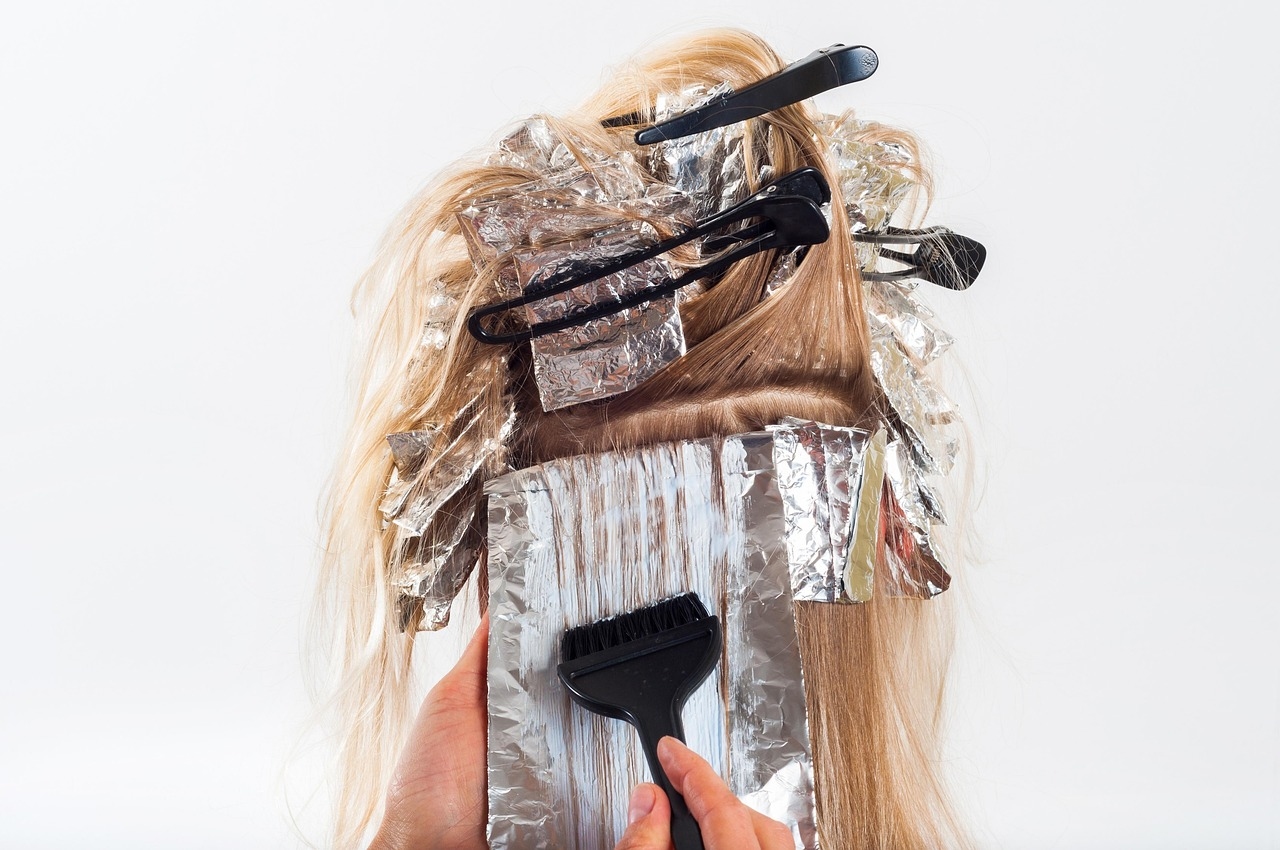
Perming chemically restructures your hair’s protein bonds, permanently altering its shape. The process opens the hair cuticle, breaks disulphide bonds holding straight structure, wraps hair around a rod, then chemically rebonds the structure in the new shape. Results are permanent until regrowth occurs.
Professional Perming
Cost: £40–£80 per session at UK salons
Results: Tight, defined curls lasting 3–6 months until regrowth, or until hair grows out sufficiently that you cut the straight regrowth section off
Damage level: Moderate to high. Hair becomes drier, more brittle, and prone to breakage. Aftercare demands weekly deep conditioning (£4–£8 per treatment) and heat protectant use mandatory.
Best for: Those committed to maintaining curly hair long-term and willing to endure damage. Professional work produces superior results compared to DIY.
At-Home Perming Kits
Cost: £8–£15 per kit
Damage level: High. Most home perm kits use stronger formulas than professional work to ensure results without expertise. Uneven processing frequently causes damage—some areas over-processed, others under-processed.
Success rate: 40–60% of users achieve acceptable results; remaining experience weak curls, hair damage, or unexpected texture.
Recommendation: Professional perming is significantly safer. The £25–£65 price difference (professional vs. DIY) is worthwhile insurance against hair damage requiring corrective treatments costing £80–£200+.
Method 2: Braiding and Twisting for Temporary Curls
How Braiding Creates Curls
Braiding damp hair creates texture that resembles curls when removed. Tightness of braids and how long you leave them determine curl tightness. This method requires zero chemicals and is completely reversible.
Timeline: 4–8 hours (overnight braiding); results last 24–48 hours
Cost: Free (uses no products)
Damage risk: Minimal if done gently. Very tight braiding risks traction alopecia with repeated use.
How to execute:
- Wash hair and dry to 50–70% dampness
- Section hair into 4–8 sections (more sections = tighter curls)
- Braid loosely or twist each section
- Sleep or leave braids in for 4–8 hours
- Unravel gently and finger-comb to desired texture
Best for: Those wanting temporary waves without commitment or damage. Excellent for weekly rotation—braid one week, straighten the next.
Method 3: Curling Iron or Wand for Daily Curls
Creating Curls With Heat Tools
Curling irons and wands create semi-permanent curls that last 12–24 hours (depending on hair type and finishing products). This method is temporary, non-damaging (with heat protection), and offers complete styling freedom.
Cost of equipment: £25–£80 for quality curling iron or wand
Results: Soft waves or tight ringlets, depending on barrel size and technique
Damage if done properly: Minimal with heat protectant. Repeated heat exposure over years causes cumulative damage, but daily curling poses no acute risk.

Technique:
- Apply heat protectant to clean, dry hair
- Section hair into 1–2 inch sections
- Wrap each section around barrel, holding 15–20 seconds
- Gently release and allow to cool
- Apply finishing spray for hold
Best for: Those wanting flexibility to wear curls on specific days, straighten others. Ideal for events or occasions requiring curls.
Learning curve: First attempts may produce uneven curls. By attempt 5–8, most people develop muscle memory for consistent results.
Method 4: Curl-Enhancing Products for Wavy Texture
Creating Subtle Waves With Styling Products
Curl-enhancing creams and gels amplify whatever natural wave your hair contains, creating a wavy appearance without structural change. This method only works if you have slight natural wave to enhance.
Products: SheaMoisture Curl Enhancing Smoothie (£5–£8), Cantu Coconut Curling Cream (£4–£6)
Results: Subtle waves that last 24 hours and wash out. Not suitable for creating curls from completely straight hair, but excellent for enhancing existing texture.
Cost: £4–£8 per product (lasts 2–3 months with typical use)
Damage: Zero. These are purely cosmetic applications.
Best for: Those with slight natural wave wanting to enhance it. Not effective for creating curls from straight hair.
Regional Differences in Hair Curl Success
In humid climates (coastal areas, Wales, Scotland), naturally wavy or curly hair patterns activate more readily. Creating curls in these regions produces longer-lasting results due to environmental moisture supporting curl structure. In drier regions (parts of Midlands, southern England), curls require more finishing spray for hold maintenance.
A friend in Bristol reports her chemical perm curls lasted 6 months with excellent definition. The same perm applied to someone in Manchester (wetter climate) required refreshing at 4 months due to moisture interference shortening the chemical perm lifespan.
Comparison of Methods
| Method | Duration | Cost | Damage | Best For |
|---|---|---|---|---|
| Chemical perm | 3–6 months | £40–£80 | High | Permanent commitment |
| Braiding | 24–48 hours | Free | Minimal | Temporary, flexible |
| Curling iron | 12–24 hours | £25–£80 initial | Minimal with protection | Flexible, daily use |
| Curl creams | 24 hours | £4–£8 | None | Enhancing existing wave |
Frequently Asked Questions
Does chemical perming permanently damage straight hair?
Perming permanently changes hair structure, but damage is chemical, not permanent. Your hair remains damaged until it grows out. New growth is undamaged. For permanent curls without accepting permanent damage, this trade-off is necessary.
Can I perm hair that’s already been coloured?
Yes, but risk increases. Colour-treated hair is already compromised chemically. Combining perm with colour-treatment requires spacing them 1–2 weeks apart and intensive aftercare. Professional guidance is essential.
How long does it take to learn curling iron technique?
Most people develop basic competence within 3–5 attempts. Professional-level curling takes longer (weeks of practice), but acceptable results appear quickly. Watch tutorial videos before starting to understand technique.
Which method is least damaging?
Braiding and styling products carry zero damage. Curling irons with heat protectant cause minimal cumulative damage. Chemical perming causes maximum damage. Choose based on your damage tolerance and permanence desires.
Can I make very thick, coarse hair curly?
Yes. Thick, coarse hair actually perms easily and holds curls excellently. Coarse hair is more resistant to curl drop and maintains curl definition longer than fine hair. If anything, thick hair is ideal for perming.
Making Your Decision
Yes, you absolutely can make your straight hair curly through multiple methods. For permanent curls with commitment to damage management, professional perming delivers results. For flexibility without commitment, curling irons offer daily styling freedom. For complete temporary transformation without damage, braiding provides classic waves. Choose based on your lifestyle, damage tolerance, and how much daily styling effort you’re willing to invest. If you’re unsure about permanent perm commitment, start with curling iron experimentation—zero risk, complete reversibility, and you’ll quickly discover whether you genuinely love curls or prefer the grass-is-greener fantasy. Once you’ve confirmed your curl preference through temporary methods, then commit to permanent perming if desired. Your hair (and future self) will thank you for trying before permanently committing.