Contents:
- Introduction: Breaking the Misconception About Men and Long Hair
- The Rise of Long Hair as a Male Style Choice
- Cultural and Religious Context
- Personal Style and Identity Expression
- The Maintenance Reality: Why Long Hair Requires Intentionality
- Seasonal and Lifestyle Considerations
- The Social and Professional Implications
- Practical Tips for Understanding Personal Style Choices
- Frequently Asked Questions
- Does long hair have cultural significance for people named Hamza?
- Is long hair acceptable in professional environments in the UK?
- How much time does maintaining long hair actually take?
- Can men with long hair be taken seriously in professional contexts?
- Why are more men choosing longer hairstyles in 2026?
- Moving Forward: Embracing Diverse Personal Presentation
Introduction: Breaking the Misconception About Men and Long Hair
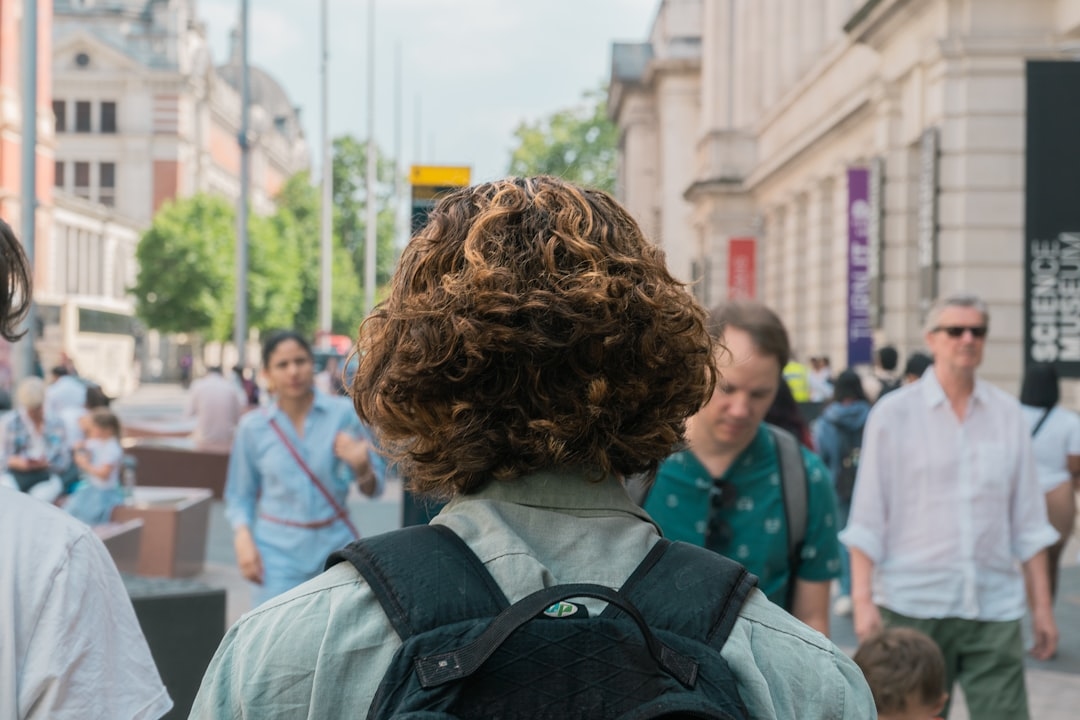
Many assume that long hair on men signals a rebellion against convention or a lack of grooming discipline. This assumption misses the mark entirely. For individuals like Hamza, long hair represents a conscious, deliberate decision rooted in personal identity, cultural background, and aesthetic philosophy. Rather than a deviation from norms, his choice reflects a broader cultural shift happening across the UK and globally in 2026, where masculine grooming standards are expanding to embrace greater diversity in expression.
The question of why Hamza has long hair invites us to examine the motivations behind personal styling choices and how they intersect with culture, identity, and the evolving conversation around masculinity.
The Rise of Long Hair as a Male Style Choice
The narrative around men’s hairstyles has undergone significant transformation. Historically confined to short, neat cuts as the default masculine aesthetic, men’s grooming now encompasses a far wider spectrum. By 2026, long hair on men is no longer relegated to musicians, artists, or counterculture figures—it has become mainstream, adopted by professionals across finance, technology, and creative industries alike.
Hamza’s long hair fits within this broader cultural evolution. Across social media platforms and professional settings, men sporting hair reaching shoulder-length or beyond have become increasingly visible. This shift reflects changing attitudes toward self-expression and the recognition that hairstyle need not dictate gender identity or professional capability. The decision to grow long hair represents agency—a statement that personal grooming choices belong to the individual, not to outdated conventions.
Cultural and Religious Context
For many individuals with names and backgrounds like Hamza’s, long hair may carry cultural or religious significance. Various traditions and spiritual practices encourage or permit long hair for men as part of personal or religious identity. In some Islamic traditions, for instance, growing a beard and maintaining longer hair reflects adherence to Sunnah (the practices of the Prophet Muhammad). Beyond religious frameworks, many cultures celebrate long hair as a symbol of strength, maturity, or spiritual connection.
Hamza’s choice to maintain long hair could stem from these deeper roots, representing a connection to heritage, faith, or family tradition rather than a purely aesthetic decision. This cultural dimension transforms the question from “Why the long hair?” to “What does this choice mean within Hamza’s personal identity?”
Personal Style and Identity Expression
Long hair functions as a form of non-verbal communication. It signals aesthetic preferences, values, and identity to the world without requiring explanation. For Hamza, the decision to maintain long hair may reflect a deliberate cultivation of personal brand or image.
Consider these practical dimensions of the choice:
- Visual distinctiveness: Long hair makes an individual immediately recognisable and memorable, an advantage in professional and social contexts
- Creativity and artistry: Many who embrace long hair work in creative fields where unconventional personal presentation is valued and expected
- Confidence and self-assurance: Growing and maintaining long hair requires deliberate choice and commitment, signalling a level of self-confidence and independence from social pressure
- Personal aesthetics: Some individuals simply prefer how they look and feel with longer hair, finding it more aligned with their internal sense of self
The Maintenance Reality: Why Long Hair Requires Intentionality
Long hair demands far more maintenance than short cuts. This reality underscores that Hamza’s choice is genuinely deliberate—it’s not accidental or neglectful. Maintaining shoulder-length or longer hair involves:
- Regular conditioning treatments (recommended 2-3 times weekly for optimal health)
- Trimming every 6-8 weeks to prevent excessive splitting
- Specialised shampoos suited to longer hair types, typically costing £8-15 per bottle in the UK market
- Styling time each morning, ranging from 10-30 minutes depending on desired appearance
- Protection during sleep using silk pillowcases or protective styling to prevent damage
The investment of time and money required to maintain healthy long hair demonstrates that this is a conscious commitment, not happenstance. Hamza’s long hair reflects prioritisation of personal aesthetics and self-presentation.
Seasonal and Lifestyle Considerations
The timeline of maintaining long hair throughout the year presents distinct challenges. Spring (March-May) brings increased shedding as the body prepares for warmer months—a period when additional care becomes necessary. Summer (June-August) presents sun exposure risks, requiring UV-protective hair products and more frequent conditioning. Autumn (September-November) often involves thicker, more defined styling as temperatures drop. Winter (December-February) demands protection from harsh weather and heating systems that dry out hair.
Hamza’s commitment to long hair across all seasons demonstrates adaptability and genuine investment in this aspect of his appearance. The choice remains consistent regardless of seasonal challenges, indicating it’s tied to deeper identity rather than temporary fashion whim.
The Social and Professional Implications
Long hair carries different meanings depending on context. In creative industries, tech startups, and media, long hair on men is completely unremarkable. In more traditional corporate environments, it may still face mild scrutiny, though this varies significantly by organisation and sector.
Hamza’s choice to maintain long hair in whatever professional context he occupies sends a clear message about his values: authenticity and personal autonomy take priority over conforming to outdated aesthetic expectations. This can signal several things to observers:
- A degree of professional confidence and secure standing
- Work in creative or progressive fields
- Personal values emphasising authenticity over convention
- Comfort with standing out and challenging assumptions
Practical Tips for Understanding Personal Style Choices
If you’re curious about the motivations behind individual grooming choices, consider these frameworks:
- Avoid assumptions: Personal appearance choices stem from complex layers of culture, identity, practicality, and aesthetics. A single choice rarely tells the complete story.
- Recognise context: What appears unconventional in one setting may be entirely standard in another. Professional norms vary dramatically across industries.
- Acknowledge maintenance: Any significant grooming choice (long hair, elaborate beards, particular styling) requires genuine commitment and investment.
- Value diversity: As cultural attitudes shift in 2026, embracing diverse expressions of masculine style becomes increasingly important for social cohesion.
Frequently Asked Questions
Does long hair have cultural significance for people named Hamza?
Long hair can carry cultural and religious significance for individuals with Arabic or Islamic heritage, potentially reflecting adherence to traditional practices or personal spiritual choices. However, individual motivations vary widely—some maintain long hair purely for aesthetic reasons.
Is long hair acceptable in professional environments in the UK?
Acceptance varies significantly by industry and individual organisation. Creative fields, technology, and media typically have no restrictions. Traditional finance and corporate sectors may hold more conservative views, though this is gradually changing as diverse grooming practices become normalised.
How much time does maintaining long hair actually take?
Daily styling typically requires 10-30 minutes depending on desired appearance and hair type. Weekly deep conditioning takes an additional 15-20 minutes. Professional cuts every 6-8 weeks cost £25-50 in the UK. The total time investment is substantial, confirming that long hair is a deliberate choice.
Can men with long hair be taken seriously in professional contexts?
Absolutely. Competence and professional capability have no relationship to hairstyle. Many successful professionals across law, medicine, business, and academia maintain long hair. Client or colleague reception depends far more on actual performance than appearance.
Why are more men choosing longer hairstyles in 2026?
Broader cultural shifts toward individual expression, reduced enforcement of rigid gender norms, and increased visibility of diverse masculine styles on social media have all contributed. Additionally, quality hair care products specifically designed for men with longer hair have become more accessible and affordable, removing previous barriers to maintaining healthy long hair.
Moving Forward: Embracing Diverse Personal Presentation
The question “why does Hamza have long hair?” ultimately reflects changing conversations about identity, style, and self-expression. His choice—whether rooted in cultural significance, personal aesthetic, spiritual practice, or simple preference—represents a broader cultural moment where personal grooming choices are increasingly recognised as an individual right rather than a conformity requirement.
As you encounter individuals making unconventional grooming choices, approach with curiosity rather than assumption. Behind every deliberate personal style decision lies a unique combination of cultural background, professional context, aesthetic values, and personal identity. Hamza’s long hair tells one person’s story about authenticity and self-determination in a world still negotiating what freedom of expression looks like.
If you’re considering a significant change to your own grooming or hairstyle, remember that long hair and other personal presentation choices are increasingly accepted across society and professional contexts in 2026. Your appearance belongs to you.