Contents:
- Why Black Hair Works (And When It Might Not)
- Should I Dye My Hair Black Based on My Starting Colour?
- Light or Blonde Hair
- Naturally Dark Hair
- Previously Dyed Hair
- The Maintenance Reality Check
- The Eco-Friendly Angle: Sustainable Black Dyes
- What the Pros Know: The Styling Advantage
- Considering the Commitment: Reversibility and Growth
- Should I Dye My Hair Black: The Practical Decision Tree
- FAQ: Your Black Hair Dye Questions Answered
- How long does black hair dye last?
- Can I dye my hair black without damaging it?
- What’s the difference between jet black and natural black?
- How much does professional black hair dye cost in the UK?
- What if the black looks too harsh?
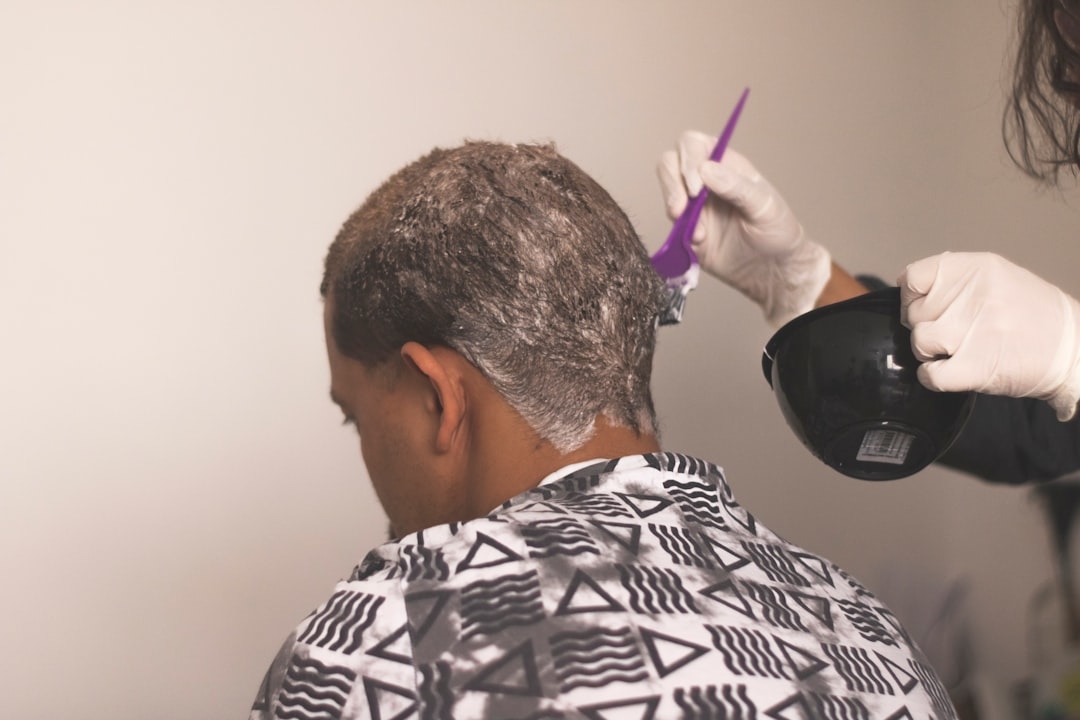
Picture yourself in the chair, watching your stylist mix the rich, midnight tones. The salon lights flicker across glossy black strands. You’re nervous and excited all at once. Black hair holds a particular magnetism—it’s dramatic, timeless, and transformative. Yet before you commit to such a bold change, several factors deserve careful consideration.
Why Black Hair Works (And When It Might Not)
Black dye creates striking contrast and depth. The colour absorbs light beautifully, giving hair an almost liquid shine that lighter shades cannot match. However, black isn’t universally flattering. Undertones matter enormously. Cool blacks suit those with fair or olive skin tones with cool undertones. Warmer blacks work better for deeper skin tones and those with golden undertones. Getting the tone wrong can wash you out or look unnatural.
According to Marissa Chen, a qualified trichologist at London’s Kensington Hair Clinic, “The most common mistake I see is clients choosing black without considering their skin’s undertone. A true jet black against the wrong complexion can make someone look tired, while the right black shade becomes absolutely luminous.” This distinction separates a stunning transformation from a regrettable experiment.
Should I Dye My Hair Black Based on My Starting Colour?
Your current hair colour significantly impacts both the result and the process. Medium to dark brown hair typically takes black dye beautifully, often achieving the desired shade in one application. Lighter hair requires more careful consideration.
Light or Blonde Hair
Going from blonde to black involves lifting and redepositing colour. Most stylists recommend a two-step process: first using a demi-permanent or semi-permanent black, then assessing the result. Permanent black on previously bleached blonde hair can develop unexpected purple or grey undertones. Budget £80–£150 for a professional application if your hair is light.
Naturally Dark Hair
This transition is straightforward. Your stylist applies black dye to clean, untreated hair, and the colour saturates evenly. Expect a appointment lasting 45 minutes to an hour. Cost typically ranges from £50–£100 at mid-range UK salons.
Previously Dyed Hair
Hair that’s already coloured requires careful patch testing. Previous colour molecules may interact unpredictably with black dye. Some stylists suggest strand testing before committing to a full application. This adds £15–£25 but prevents catastrophic results.
The Maintenance Reality Check
Black hair demands consistent upkeep. Fading occurs gradually, typically becoming noticeable after 4–6 weeks. Root regrowth shows starkly, especially on those with lighter natural hair. Semi-permanent black lasts 8–12 weeks and gradually fades to grey. Permanent black requires touch-ups every 4–6 weeks to maintain depth and prevent obvious regrowth lines.
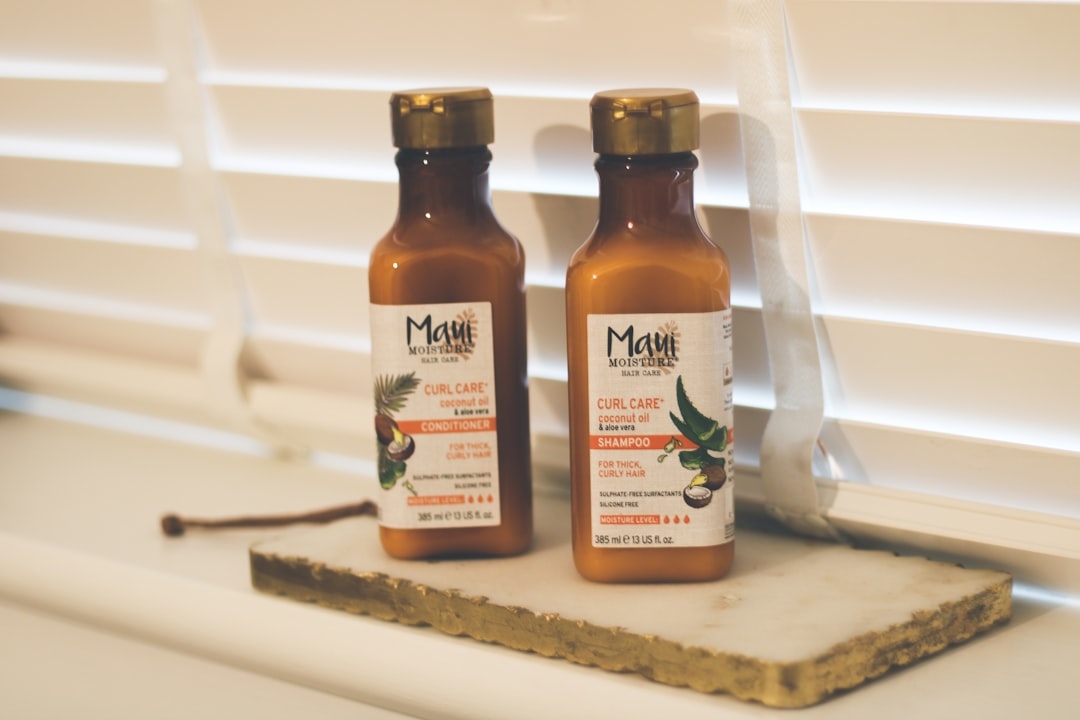
Washing frequency directly impacts colour longevity. Wash black hair in cool water using sulphate-free shampoo twice weekly maximum. Hot water opens the hair cuticle, allowing colour molecules to escape. A weekly colour-safe treatment extends vibrancy significantly. Budget approximately £15–£30 monthly for maintenance products.
The Eco-Friendly Angle: Sustainable Black Dyes
Traditional permanent dyes contain chemicals that impact waterways when washed out. Brands like Naturtint and Radico offer plant-based black dyes using indigo and henna blends. These require longer processing times (2–3 hours versus 45 minutes) and cost slightly more (£60–£90 for professional application), but they reduce environmental impact whilst delivering excellent grey coverage and shine. Some UK salons specializing in eco-conscious treatments now prioritize these options.
What the Pros Know: The Styling Advantage
Black hair amplifies styling versatility that lighter shades cannot match. Texture shows dramatically—curls appear bouncier, waves more defined. Glossy finishes emerge naturally from the depth of black. Conversely, frizz and dullness become immediately visible. Investing in a smoothing serum (£20–£40) and using a microfibre towel for drying becomes essential. Professional blow-drys cost £25–£40 and showcase black hair’s true potential.
Considering the Commitment: Reversibility and Growth
Black dye is not easily reversed. Attempting to go lighter requires either growing it out or using lifting treatments that damage hair. The process takes months and costs £200+. If you’re uncertain, start with a semi-permanent black that gradually fades over 8–12 weeks rather than committing to permanent dye immediately.
Natural hair growth becomes very visible. Hair grows approximately 15cm annually. Within 2–3 months, a noticeable dark line appears at the roots if your natural hair is lighter. Some find this trendy; others find it frustrating. Consider this visual reality before deciding.
Should I Dye My Hair Black: The Practical Decision Tree
- Start with semi-permanent: Test the look for 8–12 weeks before committing to permanent colour
- Get a professional strand test: Particularly important if you have light, previously dyed, or damaged hair
- Consider your lifestyle: Black demands weekly maintenance routines and product investments
- Match your undertone: Consult a stylist about warm black versus cool black before your appointment
- Invest in colour-safe products: Sulphate-free shampoo, cool-water rinsing, and weekly treatments preserve the shade
FAQ: Your Black Hair Dye Questions Answered
How long does black hair dye last?
Semi-permanent black fades gradually over 8–12 weeks. Permanent black remains true for 4–6 weeks before fading becomes noticeable, then requires touch-ups every 4–6 weeks to maintain depth and prevent visible regrowth.
Can I dye my hair black without damaging it?
Black dye itself causes minimal damage if applied by a professional to undamaged hair. However, applying black over bleached or previously chemically treated hair increases risk. Using colour-safe products and limiting washing to twice weekly significantly protects hair integrity.
What’s the difference between jet black and natural black?
Jet black is a pure, cool-toned black with blue undertones, creating maximum contrast and impact. Natural black contains subtle warmth and is often described as “blue-black” or “raven black.” It appears slightly softer and suits warmer skin tones better. Ask your stylist which suits your complexion.
How much does professional black hair dye cost in the UK?
Professional application costs £50–£150 depending on hair length, starting colour, and salon location. London salons charge more (£100–£150) than regional salons (£50–£80). This includes the stylist’s expertise and quality professional-grade dye.
What if the black looks too harsh?
Black can look severe if the shade doesn’t match your undertone or if skin tone contrast is excessive. Solutions include using semi-permanent dye that fades, adding warm-toned lowlights, or transitioning to a softer “dark brown” shade. Consult your stylist about adjusting before committing to another full application.
Black hair transforms your appearance dramatically and deserves thoughtful consideration. Assess your commitment level, match your undertone accurately, and invest in maintenance products before taking the leap. A consultation with an experienced stylist costs £15–£25 and provides personalized guidance based on your specific hair and skin. Start with semi-permanent dye if you’re uncertain—it lets you experience the transformation risk-free for several weeks.