Contents:
- Why Daily Swimming Damages Hair
- Pre-Swim Protection Strategies
- Pre-Wet Your Hair with Fresh Water
- Apply Protective Leave-In Conditioner
- Wear a Swimming Cap
- During-Swimming Considerations
- Post-Swim Hair Care Protocol
- Rinse Immediately After Swimming
- Deep Condition Within 15 Minutes
- Avoid Hot Water When Shampooing
- Weekly and Monthly Maintenance
- Common Mistakes to Avoid
- Product Investment and Budget Planning
- Hair Type Specific Recommendations
- Fine or Thin Hair
- Curly or Textured Hair
- Coloured Hair
- Frequently Asked Questions
- How long does it take for chlorine damage to become permanent?
- Can apple cider vinegar rinses help with chlorine damage?
- Is chlorine or saltwater worse for hair?
- Will my hair recover if I stop swimming daily?
- How often should I replace my swimming cap?
You’ve committed to daily swimming—whether for fitness, competition, or therapy. Your body loves it. Your hair, however, is staging a silent protest. Chlorine damage, saltwater brittleness, and constant moisture are eroding your strands. If you’re swimming every day, hair protection isn’t optional; it’s essential. This guide covers everything you need to know about protecting hair when swimming everyday.
Why Daily Swimming Damages Hair
Chlorine and saltwater both attack your hair’s outer layer—the cuticle. This protective layer is made of overlapping cells that lie flat when healthy. Chlorine strips away natural oils and can chemically bond to hair, turning blonde hair green and making all hair dull, brittle, and prone to breakage. Saltwater does similar damage by drawing moisture out of the hair shaft, leaving it dehydrated and weak.
Daily exposure compounds the problem. Your hair doesn’t have time to recover between sessions. Hair normally recovers from one-off chemical exposure or moisture loss within a few days if you use the right products. With daily swimming, recovery becomes impossible without active protection strategies.
The numbers matter: chlorine exposure increases porosity (the hair’s ability to absorb and release moisture) by up to 40% in regular swimmers. This means your hair can’t hold onto moisture, and styling becomes difficult. Saltwater can cause up to 35% more protein loss from the hair shaft than fresh water alone.
Pre-Swim Protection Strategies
Pre-Wet Your Hair with Fresh Water
This single step is transformative and costs nothing. Before entering the pool, stand under the shower and wet your hair thoroughly with fresh water. Hair absorbs water and the hair shaft expands. When hair is already saturated with fresh water, it cannot absorb as much chlorinated or salt water.
Research from the Journal of the American Academy of Dermatology found that pre-wetting reduces chlorine absorption by approximately 50%. Spend 30-60 seconds wetting your entire head, including roots, midlengths, and ends. Don’t just splash your head—ensure every strand is dripping wet.
Apply Protective Leave-In Conditioner
After pre-wetting, apply a leave-in conditioner specifically designed for swimmers. Products formulated for this purpose contain silicones or natural oils that create a barrier between your hair and the pool water. Apply from midlength to ends, being careful around roots to avoid greasiness.
Good swimming leave-in conditioners in the UK market include Malibu Hard Water Shampoo (£12 for intensive treatment packets), Aqua Guard (£14 for 250ml), and Briogeo Protective Milk (£18). Budget options like Cantu Leave-In Conditioning Repair Cream (£5) work reasonably well, though premium products offer better durability in chlorine.
Wear a Swimming Cap
A proper swimming cap reduces water exposure to your hair by 90% if fitted correctly. The key is fit—a loose cap allows water to seep underneath, negating its benefits. Silicone caps (£8-15) seal better than latex (£3-5) or fabric (£6-12) alternatives. If you have long hair, tuck it carefully into the cap, ensuring no strands protrude where water can access them.
Many daily swimmers use a cap, particularly those doing lap swimming or competing. If you’re doing casual swimming or water aerobics, a cap might feel uncomfortable, but the protection is substantial. A well-fitted silicone cap reduces chlorine contact by approximately 80-90%.
During-Swimming Considerations
The duration of your swim matters. Short swims (15-20 minutes) cause less damage than hour-long sessions. If you’re swimming for an hour daily, you’re exposing your hair to more chlorine and saltwater than swimmers doing 30-minute sessions. Adjust your protection intensity accordingly.
Consider your stroke. Swimmers who keep their head above water (like backstroke or breaststroke) expose more of their hair to air and evaporation between strokes. Freestyle swimmers (front crawl) with their heads mostly underwater experience more consistent exposure. The type of swimming doesn’t change your protection strategy, but it helps explain why some swimmers notice more damage than others.
Post-Swim Hair Care Protocol
Rinse Immediately After Swimming
This is non-negotiable. Rinse your hair with fresh water immediately after exiting the pool, before you shower or change. Don’t wait until you get home. The longer chlorine or saltwater sits on your hair, the more damage occurs. A poolside shower or even a bottle of fresh water works if a shower isn’t available. Rinse for at least 60 seconds, ensuring water runs through your entire length.
If you’re swimming at a public pool without convenient shower access, bring a large water bottle (500ml minimum) specifically for rinsing. This costs £2-5 and is worth the investment if you’re committing to daily swimming.
Deep Condition Within 15 Minutes
After rinsing, apply a moisture-restoring conditioner or hair mask within 15 minutes of leaving the pool. Your hair is porous after chlorine exposure, and moisture-rich products penetrate more effectively at this stage. Leave the conditioner on for 5-10 minutes minimum. For extensive damage, overnight masks work even better.
Effective conditioning products for swimmers include Olaplex No. 8 Bond Intense Moisture Mask (£30 for 200ml, very durable), Kérastase Elixir Ultime Masque (£28), or budget-friendly alternatives like Shea Moisture Raw Shea Butter Restorative Conditioner (£8). Apply from mid-length to ends, avoiding roots unless your scalp is particularly dry.
Avoid Hot Water When Shampooing
Hot water opens the hair cuticle further, allowing more chlorine to penetrate. Use lukewarm or cool water when shampooing after swimming. A chelating shampoo once or twice weekly (not daily) removes chlorine buildup. Malibu C Hard Water Shampoo (£8-12 per packet) or Redken Shampure Cleansing Cream Shampoo (£16) are effective options.
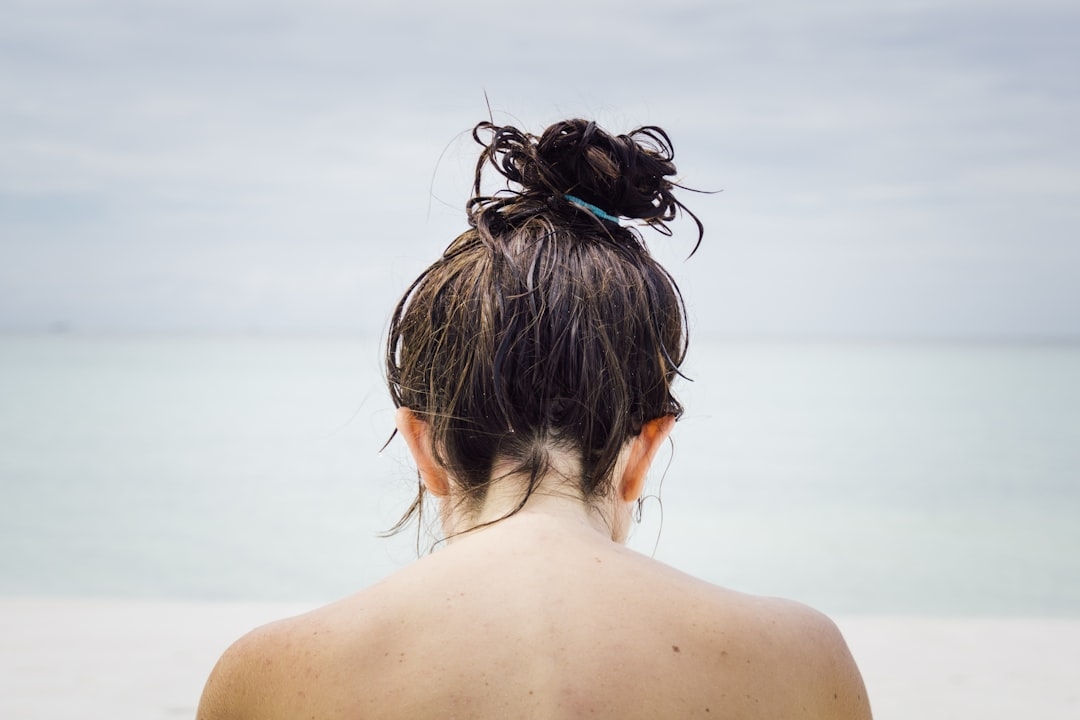
Daily shampooing with regular shampoo strips away natural oils and makes hair drier. Instead, rinse with water only on most days, using shampoo just 2-3 times weekly. This preserves your hair’s natural moisture reserves.
Weekly and Monthly Maintenance
Daily swimming requires more intensive maintenance than occasional swimming. Incorporate these practices weekly:
- Deep conditioning treatment: Once weekly, apply an intensive mask and leave it on for 20-30 minutes or overnight. Budget £10-30 per month on quality masks.
- Chelating treatment: Once or twice weekly, use a chelating shampoo to remove chlorine buildup and metal deposits from the water. This prevents green tinting and restores vibrancy.
- Protein treatment: Weekly protein treatments strengthen damaged hair and reduce breakage. Use protein-rich masks or treatment conditioners.
- Scalp massage: Improve circulation to your scalp with 5-minute massages 2-3 times weekly. This supports healthy hair growth and can offset some swimming damage at the root level.
Common Mistakes to Avoid
Even swimmers with good intentions make these errors:
- Skipping the pre-wet step: Not pre-wetting increases chlorine absorption by 50%. This single omission causes disproportionate damage. Pre-wetting takes 30 seconds and is the most impactful step you can take.
- Applying products only to ends: Chlorine damage occurs throughout the hair shaft. Distribute protective products from roots to ends, not just the bottom third.
- Using a poorly fitting cap: A loose cap is useless. Water leaks underneath and negates the cap’s benefits. Invest in a quality, well-fitting cap rather than cheap loose alternatives.
- Delaying post-swim rinse: Waiting until you get home to rinse allows chlorine up to 2 hours of contact with your hair. Rinse at the pool immediately.
- Overlooking scalp protection: Focus on the scalp too, not just hair length. Chlorine damages hair follicles and can irritate the scalp, slowing growth.
- Conditioning every day: Daily conditioning builds product buildup, making hair limp. Use the rinse + condition protocol immediately post-swim, but shampoo only 2-3 times weekly.
Product Investment and Budget Planning
If you’re swimming daily, expect higher hair care costs. A realistic monthly budget for a daily swimmer in 2026:
- Leave-in conditioner: £10-15
- Post-swim conditioner/mask: £15-25
- Chelating shampoo (bi-weekly use): £8-12
- Weekly deep conditioning: £12-20
- Swimming cap replacement (every 6 months): £2-3 monthly average
- Total monthly investment: £47-75
This seems substantial, but consider it against the cost of repairing severely damaged hair through salon treatments (£60-150 per session) or cutting off damaged length (potentially losing 2-3 inches annually). Preventative care is far more economical than repair.
Hair Type Specific Recommendations
Fine or Thin Hair
Use lightweight leave-in products and skip heavy oils. A swimming cap is particularly beneficial for fine hair because it eliminates the need for heavy post-swim conditioning. Silicone-based products rather than oil-based alternatives keep fine hair from looking weighed down.
Curly or Textured Hair
Curly hair needs more moisture overall, making daily swimming particularly challenging. Protein treatments become essential—use them weekly rather than monthly. Deep conditioning should be done every 2-3 days rather than weekly. Consider co-washing (conditioning without shampooing) 4-5 times weekly.
Coloured Hair
Chlorine accelerates colour fading dramatically. If you swim daily and have coloured hair, consider temporary colour-preserving treatments or dyes specifically formulated to resist chlorine. Use chelating treatments to remove metal deposits that can cause unwanted colour shifts (particularly green tinting with blonde hair).
Frequently Asked Questions
How long does it take for chlorine damage to become permanent?
Chlorine doesn’t make damage “permanent,” but repeated exposure without protection causes cumulative damage. After 6-8 weeks of daily swimming without protection, you’ll notice significant dryness, breakage, and potential colour changes. With proper protection, daily swimming causes minimal long-term damage.
Can apple cider vinegar rinses help with chlorine damage?
Apple cider vinegar can help slightly by removing some mineral deposits and clarifying buildup. Mix 1 part vinegar with 4 parts water and rinse your hair with this solution after shampooing once weekly. It’s not a replacement for dedicated chlorine removal products, but it’s a budget-friendly supplement (£1-2 per bottle).
Is chlorine or saltwater worse for hair?
Chlorine is more damaging to most hair types because it chemically bonds to hair and can cause colour shifts. Saltwater is drying but less chemically reactive. Both require similar protection strategies (pre-wetting, capping, immediate rinsing), but chlorine swimmers might benefit from additional chelating treatments.
Will my hair recover if I stop swimming daily?
Hair damage is permanent for that hair length because hair is non-living once it exits the follicle. However, new hair growing from your scalp will be healthy if you’ve been protecting your follicles. Expect to see improvement in overall hair health within 4-6 weeks of reducing swimming frequency, as new, undamaged hair emerges.
How often should I replace my swimming cap?
Silicone caps last 1-2 years with daily use before losing elasticity and sealing ability. Latex caps last 6-12 months. Replace your cap every 6-12 months depending on material and condition. A cap that no longer creates a tight seal isn’t protecting your hair.