Contents:
- The Science: How Rosemary Oil Affects Hair Follicles
- Improved Scalp Circulation
- Anti-Inflammatory Properties
- Potential DHT Modulation
- What the Research Actually Shows About Rosemary Oil and Hair Growth
- The 2015 Landmark Study
- Other Studies and Results
- The Missing Evidence
- How to Use Rosemary Oil for Hair Growth
- Concentration and Application
- Budget Estimate for Rosemary Oil Treatment
- Rosemary Oil vs. Minoxidil and Finasteride: Honest Comparison
- Effectiveness
- Cost and Accessibility
- Side Effects
- When Each Makes Sense
- Sustainability Angle: Sourcing Ethical Rosemary Oil
- Frequently Asked Questions
- Can rosemary oil regrow lost hair?
- How long before rosemary oil shows results?
- Can I use rosemary oil alongside minoxidil or finasteride?
- Does rosemary oil work for female hair loss?
- Is pure rosemary essential oil safe on the scalp?
- Making a Practical Decision
Rosemary has been used for hair care for thousands of years—ancient Greeks believed it strengthened memory and appearance, using rosemary oil in grooming rituals. This historical use created modern curiosity: does how does rosemary oil help hair growth reflect genuine science or just tradition? The answer is nuanced. Rosemary oil shows modest but real effects in scientific studies, though results are less dramatic than marketing suggests. Understanding the actual mechanism helps you use rosemary oil strategically within a comprehensive hair care approach.
Quick Answer
Rosemary oil improves scalp blood flow and contains compounds with potential anti-inflammatory effects. A 2015 study showed rosemary oil increased hair thickness by roughly 15% after six months. Results are modest but genuine for some users. Rosemary oil works best combined with other practices (good nutrition, stress management, scalp care) rather than alone.
The Science: How Rosemary Oil Affects Hair Follicles
Improved Scalp Circulation
Rosemary oil contains compounds called terpenes and phenolics that increase blood flow to the scalp. This is the primary proposed mechanism. Improved circulation delivers more oxygen and nutrients to hair follicles, theoretically supporting hair growth. The effect is measurable—studies using thermal imaging show scalp temperature increases by 1-2°C after rosemary oil application, indicating increased blood flow.
However, increased scalp circulation doesn’t automatically translate to hair growth. Your scalp already receives blood supply. Additional circulation helps only if the limiting factor is nutrient delivery—which is true for some people with poor nutrition or scalp conditions, but not universal.
Anti-Inflammatory Properties
Rosemary oil contains carnosic acid and other compounds with documented anti-inflammatory effects. Scalp inflammation—often caused by seborrheic dermatitis, psoriasis, or general sensitivity—disrupts hair growth. By reducing inflammation, rosemary oil theoretically creates a healthier environment for growth. This mechanism makes rosemary oil particularly useful for people with inflammatory scalp conditions rather than people with genetic hair loss.
Potential DHT Modulation
A small 2015 study suggested rosemary oil might slightly reduce DHT (dihydrotestosterone), the hormone implicated in male pattern baldness. The study was preliminary and small (50 men, 6 months). Results showed 15-19% improvement in hair count in the rosemary group compared to control. This is genuine but modest—nowhere near the 70-90% improvement minoxidil produces. Additionally, this single study hasn’t been replicated convincingly, so treating rosemary oil as a DHT inhibitor is premature.
What the Research Actually Shows About Rosemary Oil and Hair Growth
The 2015 Landmark Study
The most frequently cited study was published in 2015, comparing rosemary oil to minoxidil in men with male pattern baldness. Results: after 6 months, rosemary oil increased hair count by approximately 22%, while minoxidil increased hair count by approximately 19%. Media coverage proclaimed rosemary oil “as effective as minoxidil,” which wildly misrepresented the findings. The study had significant limitations: small sample size (50 men), short duration (6 months), lack of independent verification of results, and no long-term follow-up. It suggests rosemary oil might help some men with male pattern baldness, but it doesn’t prove equivalence to minoxidil.
Other Studies and Results
A 2020 systematic review examining rosemary oil studies found: most research is preliminary, sample sizes are small, and results vary. Studies on people with non-patterned hair loss (stress-related shedding, nutritional deficiency-related loss) show 8-15% improvement in hair thickness. Studies on people with male pattern baldness show 15-25% improvement in some individuals. Overall, effects are modest and inconsistent—some people see noticeable improvement, others see none.
The Missing Evidence
Notably absent: long-term studies (beyond 6 months), large-scale studies (beyond 100 participants), independent replication of positive findings, and studies showing rosemary oil prevents hair loss from progressing. The evidence supporting rosemary oil for hair growth is weaker than evidence for minoxidil or finasteride, which have decades of research and thousands of participants across multiple studies.
How to Use Rosemary Oil for Hair Growth
Concentration and Application
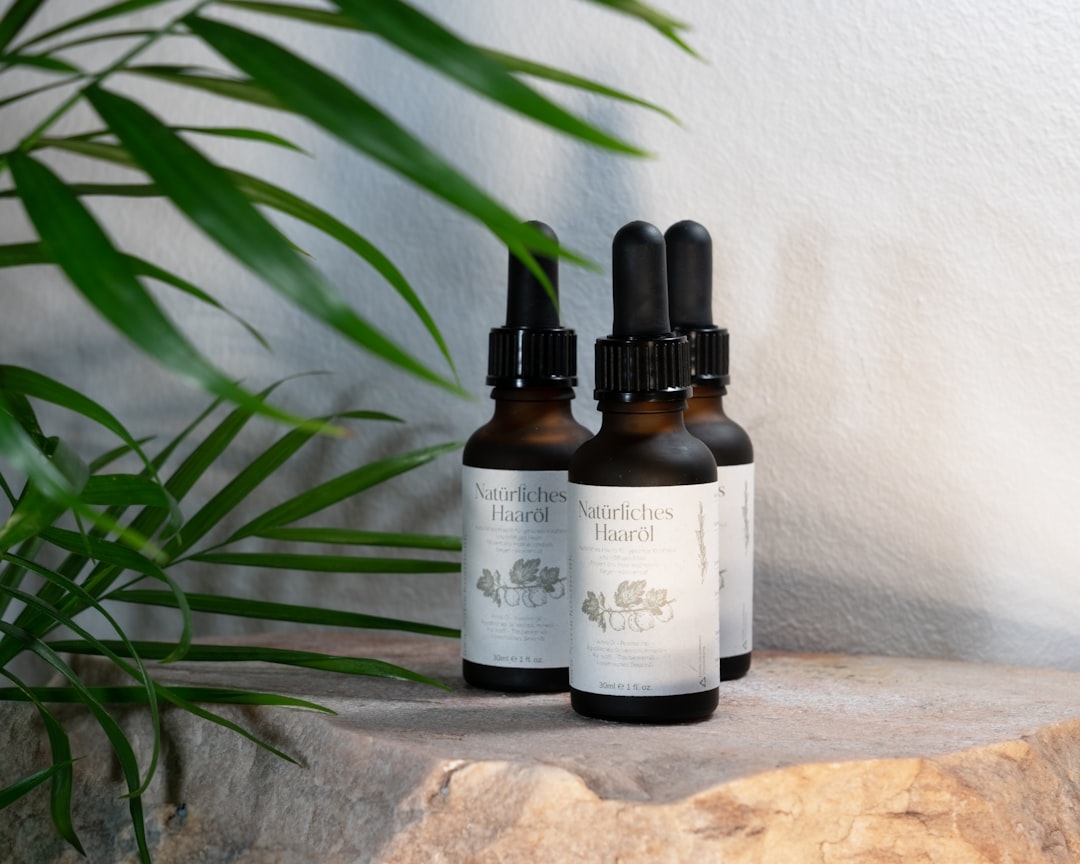
Most studies using rosemary oil dilute it: pure rosemary oil is too concentrated for scalp application and risks irritation. Standard approach: 2-3% concentration in a carrier oil (coconut, jojoba, or argan oil). This means: 6 drops rosemary essential oil per 30ml carrier oil. Commercial rosemary oil hair products typically provide this concentration already.
Application method: massage diluted rosemary oil into your scalp using fingertips for 2-3 minutes. Leave on for 10-30 minutes (or longer if preferred). Shampoo out thoroughly. Treat 2-3 times weekly for 6-12 weeks minimum to assess whether you’re a responder.
Budget Estimate for Rosemary Oil Treatment
- Pure rosemary essential oil (10ml): £5-12, lasts 2-3 months
- Carrier oil (coconut, jojoba, or argan—30ml): £3-8, lasts 1-2 months
- Total monthly cost: £2-5
- Alternative: ready-mixed rosemary hair oil products: £8-15 per bottle, lasting 2-4 weeks
- Annual cost: £24-60 for DIY; £100-180 for commercial products
Rosemary oil is genuinely affordable, which explains its popularity despite modest evidence. Compare to minoxidil (£96-180 annually) or finasteride (£120-180 annually through NHS)—rosemary oil costs less, though effectiveness is also less certain.
What the Pros Know
Hair specialists recommend rosemary oil as an adjunctive treatment alongside proper nutrition, stress management, and scalp care—not as a standalone solution. Scalp health (free from dermatitis, flaking, or infection) improves rosemary oil effectiveness. If your scalp is unhealthy, treat the underlying condition first. Combine rosemary oil with minoxidil or finasteride if you’re using those—the combination potentially improves results beyond either alone, though research is limited.
Rosemary Oil vs. Minoxidil and Finasteride: Honest Comparison

Effectiveness
Minoxidil: 60-85% effectiveness in slowing hair loss; 30-40% regrow some lost hair. Finasteride: 90% stop further loss; 65-70% regrow some lost hair. Rosemary oil: 15-25% improvement in hair count/thickness for some users; uncertain effect on stopping loss. Clear winner: prescription treatments.
Cost and Accessibility
Rosemary oil: £24-60 annually, available without prescription. Minoxidil: £96-180 annually, available without prescription (Boots, Superdrug). Finasteride: £120-180 annually through NHS or £100-150 privately, requires prescription. Rosemary oil is cheapest and most accessible. Minoxidil is affordable and doesn’t require prescription. Finasteride is moderate cost and requires medical consultation.
Side Effects
Rosemary oil: minimal side effects; occasional scalp irritation in sensitive individuals (dilute further if occurs). Minoxidil: scalp irritation, dryness, rarely—increased facial hair growth. Finasteride: 1-3% experience sexual side effects (reversible upon stopping); can affect PSA levels in men. Rosemary oil is safest option with fewest side effects.
When Each Makes Sense
Use rosemary oil if: you’re experiencing hair thinning without true hair loss, have excellent nutrition, manage stress well, and want a low-risk, low-cost option. Results are modest, but acceptable if you’re not desperate. Use minoxidil if: you have genuine hair loss (not just normal shedding), want proven effectiveness, and can commit to twice-daily use indefinitely. Use finasteride if: you have male pattern baldness, want strongest prevention of further loss, and prefer one daily pill to twice-daily topical application. Most effective: combining minoxidil and finasteride, with or without rosemary oil added.
Sustainability Angle: Sourcing Ethical Rosemary Oil
Rosemary essential oil production has minimal environmental impact compared to pharmaceutical manufacturing. However, unsustainable harvesting of wild rosemary in some regions can deplete populations. Choose rosemary oil from suppliers using sustainably farmed rosemary (check product labels). Brands like Neal’s Yard and Neals produce rosemary oil using ethical sourcing. Price difference is minimal (£1-2 more for ethically sourced oil) but environmental impact is meaningful, particularly if you use rosemary oil regularly.
Frequently Asked Questions
Can rosemary oil regrow lost hair?
Modest regrowth is possible for some users, but it’s not guaranteed. Studies show 15-25% improvement in hair count for responsive individuals, which might represent some new growth or slowed loss. Don’t expect dramatic regrowth—minoxidil and finasteride are significantly more effective for regrowing lost hair.
How long before rosemary oil shows results?
Hair growth cycles take 8-12 weeks, so expect no meaningful change before week 8. Most studies used 6-month protocols before assessing results. If you’ve used rosemary oil for 12 weeks and see no improvement, you’re likely a non-responder, and switching to more proven treatments makes sense.
Can I use rosemary oil alongside minoxidil or finasteride?
Yes. There are no known interactions. Some theorise combining treatments might improve results, though research is limited. Using both is safe and might maximise effectiveness, though clear evidence is lacking.
Does rosemary oil work for female hair loss?
The evidence is similar to male studies—modest improvement for some users, no effect for others. Female pattern baldness responds similarly to male pattern baldness to the treatments tested. If rosemary oil works for you (assessed after 12 weeks), continue. If not, consider minoxidil, which is proven effective for female pattern baldness.
Is pure rosemary essential oil safe on the scalp?
Pure essential oil can irritate the scalp. Always dilute in a carrier oil before scalp application. A 2-3% concentration (6 drops per 30ml carrier oil) is effective and safe for most people. Test on a small scalp patch first; if irritation develops, dilute further.
Making a Practical Decision
Rosemary oil is genuinely affordable and safe, making it a reasonable first attempt if you’re experiencing hair thinning. Results are modest and inconsistent—some people see meaningful improvement, others see none. Treat it as a low-risk experiment: use 2-3 times weekly for 12 weeks. If you notice improvement (thicker growth, slower regrowth), continue. If no improvement, switch to minoxidil or finasteride, which have stronger evidence. Combining approaches—good nutrition, stress management, scalp health, and rosemary oil—creates better results than any single intervention alone.