Contents:
- Why Does Permanent Hair Dye Fade?
- The Timeline: When Does Colour Really Start Fading?
- Weeks 1-2: The Honeymoon Phase
- Weeks 3-6: The Critical Period
- Weeks 7-12: The New Normal
- Beyond 12 Weeks
- Factors That Speed Up Colour Fade
- Water Quality and Washing Habits
- Sun Exposure
- Heat Styling and Temperature Exposure
- Common Mistakes to Avoid
- Practical Tips for Extending Colour Life
- Immediate Aftercare (Days 1-7)
- Weekly Protection Routine
- Monthly Maintenance
- Seasonal Adjustments
- Choosing the Right Permanent Dye for Your Situation
- FAQ: Your Burning Questions About Permanent Hair Dye Fade
- How long does permanent hair dye really last?
- Can you stop permanent hair dye from fading completely?
- Does hair colour fade faster in water or on dry hair?
- Will bleaching hair make permanent dye fade faster?
- Does permanent hair dye fade the same way in every climate?
- Moving Forward With Realistic Expectations
Picture this: you’re in a cosy London flat, hair freshly coloured to that perfect shade of auburn you’ve been dreaming about. You catch your reflection in the mirror and feel that rush of confidence. But three weeks later, standing in your compact bathroom under harsh ceiling lights, you notice something unsettling—the colour isn’t quite as vibrant. This isn’t a figment of your imagination. It’s science, and understanding it transforms how you maintain your look.
Why Does Permanent Hair Dye Fade?
The term “permanent” is somewhat misleading in the hair dye world. Permanent dyes don’t actually last forever; they’re designed to remain in the hair longer than semi-permanent or temporary options. The reality is that colour fading is inevitable, though the rate depends on several interconnected factors.
Permanent dyes work by opening the hair cuticle with ammonia and depositing pigment molecules deep into the cortex. However, these molecules are under constant attack from multiple sources. UV radiation from sunlight breaks down colour molecules through a process called photodegradation. Water from washing dilates the hair cuticle, allowing pigments to escape gradually. Heat from styling tools accelerates this breakdown. Even air exposure causes oxidation, slowly stripping vibrancy from your colour.
Research from the British Hair and Beauty Association indicates that approximately 65% of colour fade occurs during the first four weeks post-application, with the first wash being particularly significant. That single wash can remove up to 20% of the applied colour, which is why hairstylists recommend waiting 48-72 hours before shampooing.
The Timeline: When Does Colour Really Start Fading?
Weeks 1-2: The Honeymoon Phase
Your colour looks absolutely stunning during these first two weeks. The pigment molecules are fresh and concentrated throughout your hair shaft. Most people don’t notice significant fading during this window, though if you look very closely at the ends of longer hair, you might spot a subtle dulling.
Weeks 3-6: The Critical Period
This is when most noticeable fading occurs. By week four, many people see colour shift towards brassy or ashy tones depending on their base shade. By week six, the colour may appear 20-30% less vibrant than day one. This timing aligns with typical washing frequency—most people wash their hair 2-3 times per week, meaning you’ve completed 6-18 wash cycles.
Weeks 7-12: The New Normal
Fade slows considerably after the sixth week. The pigment molecules that are going to exit your hair have largely done so; what remains is now more stable. However, seasonal factors come into play here. If you’re moving into summer months (June-August in the UK), increased sun exposure can accelerate fading by an additional 10-15%. Winter months (November-January) show slower fade rates due to reduced UV exposure and more time spent indoors.
Beyond 12 Weeks
Most people begin considering a colour refresh around the 12-week mark, though this varies dramatically based on colour choice, hair porosity, and maintenance practices. Darker shades (blacks, deep brunettes) appear to hold colour longer simply because fading is less visible against the base hair colour. Reds and vibrant tones require touch-ups every 4-8 weeks to maintain their impact.
Factors That Speed Up Colour Fade
Water Quality and Washing Habits
Hard water—containing high mineral content—is particularly damaging to colour-treated hair. If your flat has hard water, these minerals coat the hair shaft and accelerate pigment leaching. The frequency of washing matters dramatically; someone washing daily loses colour twice as fast as someone washing twice weekly. Temperature also impacts fading significantly. Water above 40°C opens the cuticle more aggressively, pushing pigment molecules out faster. Washing in cooler water (below 30°C) reduces colour loss by approximately 25%.
Sun Exposure
Solar radiation is relentless on colour-treated hair. Studies show that colour exposed to direct sunlight for 10+ hours weekly fades 30-40% faster than hair kept in shade. This becomes particularly relevant during British summer months when daylight extends to 9pm or later. Chlorine from swimming pools is another culprit—it chemically bonds with dye molecules and strips them away. Even one swim can noticeably shift colour tone, particularly blonde shades.
Heat Styling and Temperature Exposure
Heat opens the hair cuticle and essentially forces pigment molecules to escape. Using a 200°C straightener three times weekly accelerates colour fade by approximately 35% compared to air-drying. Blow dryers on hot settings have similar effects. Your apartment’s central heating in winter can also gradually dull colour, particularly if your hair is already porous from previous chemical treatments.
Common Mistakes to Avoid
- Washing with hot water immediately after colouring: This is the single biggest mistake. Wait at least three days, then use cool water always.
- Using regular shampoo on colour-treated hair: Standard shampoos are designed to strip oils and product buildup, which damages colour molecules in the process. Colour-safe shampoos are gentler and cost typically £6-12 per bottle compared to £3-5 for regular options.
- Skipping heat protectant products: These create a barrier that reduces colour escape when heat styling. They cost £8-15 per bottle and genuinely extend colour life by 2-3 weeks.
- Ignoring professional advice about timing: If your hairstylist recommends waiting six weeks for the next colour, they’re basing this on your specific hair type and colour history. Rushing the process results in overdrying and uneven colour.
- Assuming all permanent dyes perform identically: Professional salon dyes from brands like Wella and Schwarzkopf fade 15-20% more slowly than budget supermarket alternatives, despite costing 2-3 times more. The larger pigment molecules in professional formulas resist escape better.
Practical Tips for Extending Colour Life
Immediate Aftercare (Days 1-7)
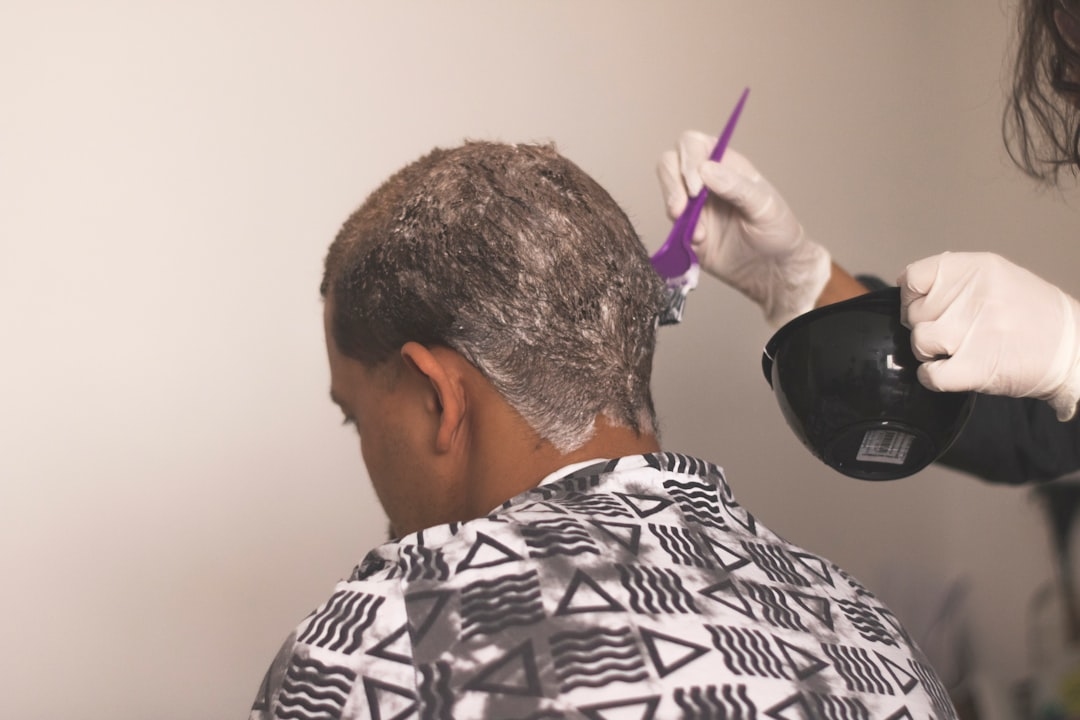
Wait 72 hours before shampooing, allowing pigment molecules to fully seal within the hair cortex. When you do wash, use only lukewarm water (20-30°C) and a colour-safe shampoo. This single change extends colour vibrancy by 2-3 weeks. Condition every wash, focusing on mid-lengths and ends. A quality colour-safe conditioner costs £8-14 and provides measurable benefit.
Weekly Protection Routine
Wash no more than twice weekly if possible. Invest in a leave-in conditioner (£10-16) to apply before heat styling—this creates a protective barrier. Use a heat protectant spray rated for temperatures up to 230°C; this typically costs £7-12. If you use a blow dryer, set it to cool or warm rather than hot setting.
Monthly Maintenance
Apply a colour-depositing mask monthly. These products (£12-25 per tube) contain pigment molecules that refresh your colour without damaging your hair further. Spend four weeks using a purple-toning mask if you have blonde or silver tones; use a red-based mask if you have brunette or auburn shades. This monthly investment extends the time between colour applications by 3-4 weeks.
Seasonal Adjustments
During spring and summer (April-September in the UK), wear your hair up or in protective styles whenever possible to minimise sun exposure. Use UV-protective hair products (£8-18) when spending time outdoors. Consider deeper, warmer tones for summer that show less obvious fading. Conversely, winter months (October-March) offer protection from UV damage, allowing you to maintain vibrant colours with less effort.
Choosing the Right Permanent Dye for Your Situation
Not all permanent dyes are equal, and your living situation matters more than you might think. In a small flat with limited natural light, you can get away with more vibrant tones because they won’t be constantly exposed to UV radiation. Professional permanent dyes (salon-applied) cost £40-80 per application but include the stylist’s expertise in selecting shades that work with your colouring and fade gracefully. Home dye kits cost £3-8 but offer less predictable results and no professional support if something goes wrong.
Consider semi-permanent alternatives if you’re unwilling to commit to regular maintenance. These fade faster (typically visible within 8-12 weeks) but won’t damage hair as much as repeated permanent applications. For people in small flats with busy schedules, semi-permanent dyes every 8-10 weeks might be more realistic than permanent dyes every 6-8 weeks.
FAQ: Your Burning Questions About Permanent Hair Dye Fade
How long does permanent hair dye really last?
Permanent hair dye typically remains vibrant for 4-6 weeks, with noticeable fade beginning around week three. Most people schedule colour refreshes every 6-12 weeks depending on the specific shade, their water quality, and how often they wash their hair. Darker shades can extend to 12 weeks, while reds and brilliant tones usually need touch-ups by week 8.
Can you stop permanent hair dye from fading completely?
No, but you can dramatically slow it. Following professional aftercare recommendations, using colour-safe products, minimising heat styling, and reducing wash frequency can extend vibrancy by 4-6 weeks beyond typical fade timelines. This requires genuine commitment—perhaps 10-15 minutes weekly for proper care routines.
Does hair colour fade faster in water or on dry hair?
Water dramatically accelerates fading. A single wash removes pigment through multiple mechanisms: temperature opens the cuticle, water dilutes pigment concentration, and surfactants in shampoo actively strip colour molecules. Dry hair retains colour indefinitely if protected from sunlight and heat. This is why extending time between washes is the single most impactful fade-prevention strategy.
Will bleaching hair make permanent dye fade faster?
Yes. Bleached hair is significantly more porous than unbleached hair, creating larger gaps in the cuticle structure where pigment molecules escape more readily. Someone with previously bleached hair typically sees 20-30% faster colour fade than someone colouring virgin hair. This is why professional colourists assess your hair history before applying permanent dyes.
Does permanent hair dye fade the same way in every climate?
No. Higher temperatures, increased sunlight hours, and lower humidity accelerate fading. The UK’s relatively mild climate, shorter daylight hours in winter, and generally lower UV index mean colour typically lasts longer here than in Mediterranean climates or closer to the equator. Indoors in a small flat, you have even better colour retention due to UV protection from walls and windows.
Moving Forward With Realistic Expectations
The question “does permanent hair dye fade?” has a clear answer: yes, always. But understanding this isn’t depressing—it’s liberating. You’re not fighting a losing battle with your colour; you’re participating in a predictable process you can influence significantly through deliberate choices. Every time you choose cool water over hot, every time you wait an extra day before washing, every time you apply that colour-depositing mask, you’re extending the life of your investment and keeping your hair healthier in the process.
Start with one change this week—perhaps switching to a colour-safe shampoo or reducing your wash frequency by half a wash. Notice how your colour responds over four weeks. Then layer in another habit. Within two months of consistent care, you’ll likely see colour lasting 2-3 weeks longer than it currently does, which translates to fewer applications, less damage, and more money staying in your pocket. That’s not just better colour maintenance; that’s taking genuine control over how you look and feel.