Contents:
- Understanding Hair Damage
- Early Signs of Hair Damage
- Dullness and Lack of Shine
- Excessive Frizz
- Loss of Elasticity
- Difficulty Managing
- Visible Signs of Significant Damage
- Split Ends
- Breakage and Shedding
- Discolouration
- Comparing Damage Types: Regional Differences
- Damaged Hair vs. Healthy Hair: A Comparison
- Temporary vs. Permanent Damage
- What Causes Visible Hair Damage
- Heat Styling
- Chemical Treatments
- Mechanical Damage
- Environmental Damage
- Frequently Asked Questions
- Can damaged hair be repaired?
- How can I tell if my hair is damaged or just dry?
- How often should I cut my hair to remove damage?
- Does damage get worse over time?
- Can products reverse visible damage?
A common misconception is that damaged hair always announces itself dramatically. Many people think damaged hair means obvious breakage and split ends visible from across the room. Actually, damaged hair begins subtly—dullness, frizz, and loss of elasticity are the first signs. Recognising these early indicators lets you prevent severe damage before it reaches the point of no repair.
Understanding Hair Damage
Hair damage occurs when the cuticle (the protective outer layer) becomes rough and lifted, allowing moisture to escape. Think of your hair cuticle like roof shingles. When they lie flat and smooth, they protect the interior. When they lift or crack, water gets inside and the internal structure deteriorates. Damaged hair is simply hair with lifted, broken, or missing cuticles.
Early Signs of Hair Damage
Dullness and Lack of Shine
Healthy hair reflects light evenly, creating shine. Damaged hair has a rough surface that scatters light unevenly, creating a dull appearance. If your hair looked shiny six months ago and now appears matte despite using the same products, damage is developing. This dullness indicates cuticle damage—the protective layer is roughening.
Excessive Frizz
A small amount of frizz is normal, especially with humidity. But if your hair has become significantly frizzier than before, damaged cuticles are lifting and releasing moisture. Moisture content fluctuates, and damaged hair can’t retain it, causing hairs to swell and contract inconsistently, creating frizz.
Loss of Elasticity
Healthy hair stretches when wet and springs back when released. Damaged hair stretches and snaps. Test your hair: take a single strand when wet, pull gently, and release. It should return to its original length. If it stays stretched or breaks, the protein structure is damaged beyond the cuticle—the cortex inside the hair is weakened.
Difficulty Managing
Hair that suddenly becomes harder to style or manage is showing damage signs. You might notice more resistance when brushing, increased tangling, or that hairstyles don’t hold as well. This reflects internal structural weakness.
Visible Signs of Significant Damage
Split Ends
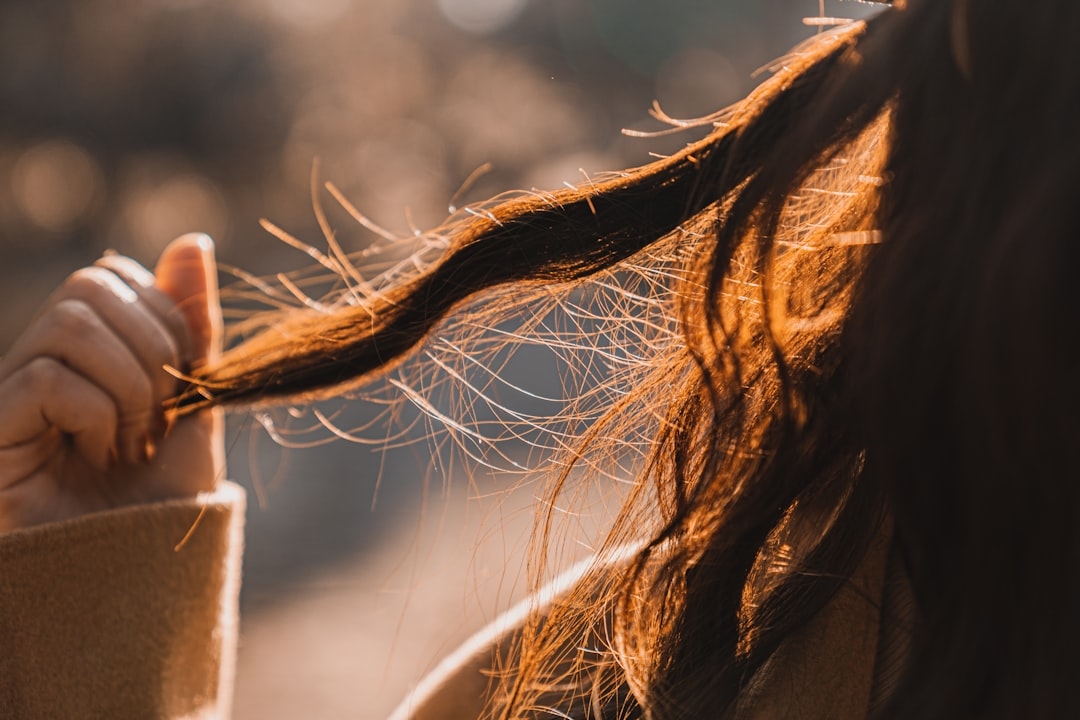
Split ends appear when the protective cuticle completely deteriorates, exposing and fraying the internal cortex fibres. They look like the hair shaft splits into two or more strands at the end. Split ends cannot be repaired—they must be cut. However, they indicate that damage has progressed significantly above the visible split point. When you see split ends at your tips, the damage extends at least 2-3 inches up the hair shaft, even if it’s not yet visible as splits.
Breakage and Shedding
Significant breakage (hair snapping off at random points rather than breaking at the ends) indicates severe structural damage. Some shedding is normal—humans shed 50-100 hairs daily. But if your hairbrush suddenly contains two or three times more hair than usual, damage is causing premature hair loss.
Discolouration
If your natural hair colour appears brassy, faded, or discoloured compared to your roots, heat and chemical damage have changed the hair structure. Damaged hair often appears lighter or more orange/yellow because the internal pigment structure has broken down.
Comparing Damage Types: Regional Differences
Interestingly, people in different UK regions experience different damage patterns. Northern regions with harder water (like London and the Southeast) see more mineral buildup damage—hair looks dull and feels coated despite being clean. Southern regions with softer water see more sun and heat damage. West Coast residents in wetter climates experience more humidity-related frizz and cuticle damage. Understanding your regional water and climate helps identify whether your damage is from heat, chemicals, or minerals.
Damaged Hair vs. Healthy Hair: A Comparison
Healthy hair is shiny, smooth, elastic, easy to manage, and has a consistent colour throughout. Ends taper naturally without splitting. Damaged hair is dull, rough to the touch, brittle, difficult to manage, and may appear lighter or discoloured. Ends fray into multiple strands. One strand of healthy hair can stretch 20-30% when wet without breaking. Damaged hair often breaks below 5% extension.
Temporary vs. Permanent Damage
Damage to the cuticle (roughness, dullness, frizz) can sometimes be improved with deep conditioning and protective treatments. These treatments smooth the cuticle temporarily and seal in moisture. However, once the internal cortex is damaged—visible as split ends or breakage—no treatment can repair it. The hair must be cut off.

This is why early damage detection matters. If you catch cuticle damage before it reaches the cortex, treatments can help reverse it. Once you have split ends, only cutting removes the problem.
What Causes Visible Hair Damage
Heat Styling
Regular use of straighteners, curling irons, and blow dryers above 180°C damages the cuticle. Frequent heat styling (daily without breaks) compounds damage because hair never fully recovers between sessions.
Chemical Treatments
Colouring, bleaching, perming, and relaxing all open the cuticle and alter the cortex structure. Multiple treatments (colour plus straightening, for example) multiply the damage effect.
Mechanical Damage
Rough towelling, tight hairstyles, aggressive brushing, and excessive pulling damage the cuticle. Over time, these daily habits create visible damage.
Environmental Damage
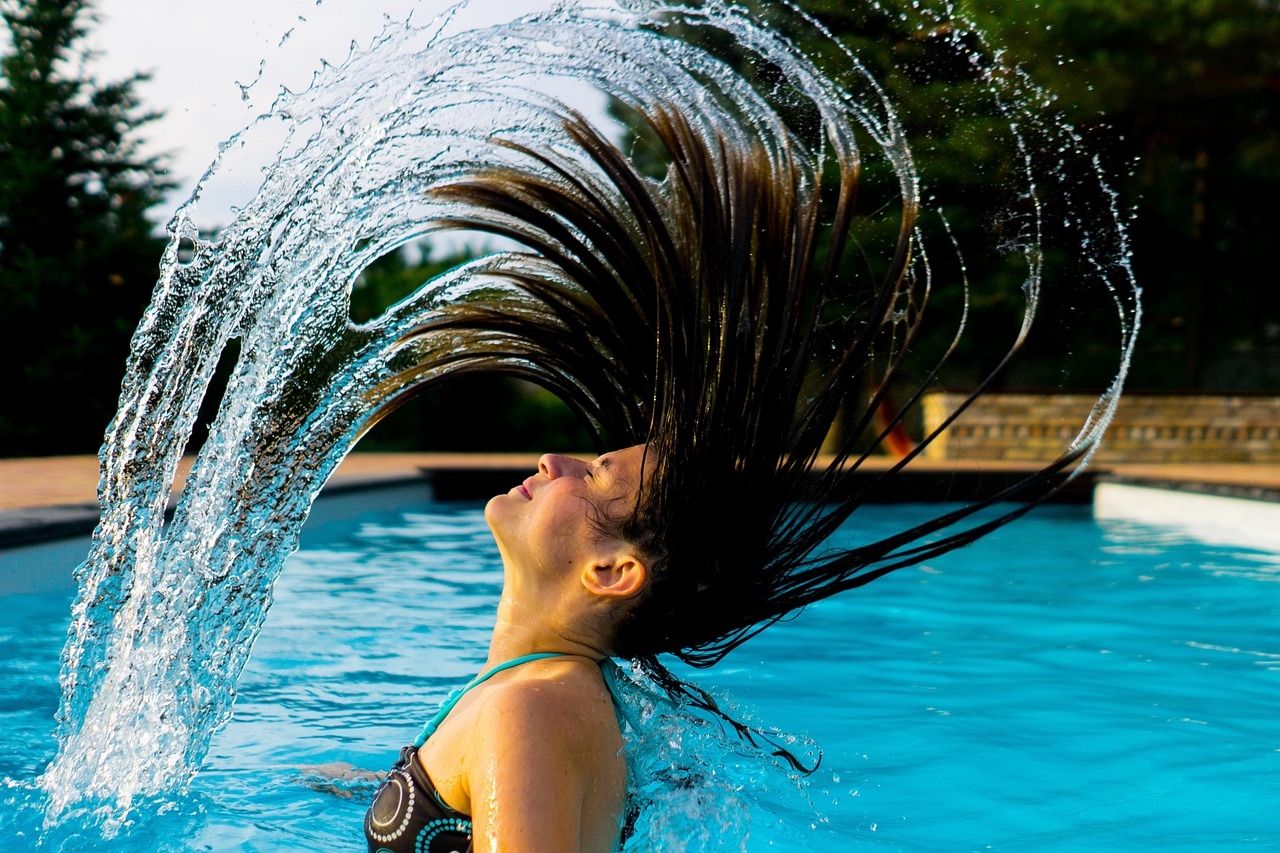
Chlorine, UV radiation, pollution, and salt water all damage the cuticle. People who swim regularly or spend hours in sun without protection see noticeable hair damage within weeks.
Frequently Asked Questions
Can damaged hair be repaired?
Cuticle damage can be temporarily improved with deep conditioning and protective treatments that smooth the surface and seal in moisture. However, damage to the cortex (the internal layer) cannot be truly repaired. Once split ends appear, cutting is the only solution. Prevention is far better than treatment.
How can I tell if my hair is damaged or just dry?
Dry hair might feel rough and be hard to manage, but it still has elasticity. Damaged hair has lost elasticity and won’t spring back when stretched. Dry hair improves with conditioning. Damaged hair doesn’t improve, only stabilises. If conditioning doesn’t help within two weeks, the damage is structural, not just moisture-related.
How often should I cut my hair to remove damage?
Getting a trim every 6-8 weeks removes split ends before they travel up the hair shaft and causes more damage. If you style your hair with heat daily, trim every 6 weeks. If you rarely use heat, 8-12 weeks is acceptable. Regular trims prevent damage from accumulating.
Does damage get worse over time?
Yes. Split ends travel upward, causing breakage further up the hair. If you don’t trim, damage compounds. Regular trims stop this progression. Additionally, each time you subject damaged hair to heat or chemicals, you worsen the damage.
Can products reverse visible damage?
Products can’t mend broken cuticles or cortex fibres. What they can do is seal remaining cuticles, reduce frizz, add shine, and prevent further damage. For true repair, you need cutting. Products are preventative, not restorative, once damage is visible.
Damaged hair announces itself gradually—first with dullness and frizz, then with breakage and split ends. Recognising these early signs lets you adjust your routine before damage becomes severe. Most damage is preventable: use lower heat temperatures, space out chemical treatments, protect your hair from sun and chlorine, and trim regularly. Your hair’s future health depends on small protective choices you make today. Catch damage early, trim regularly, and your hair will remain visibly healthy and beautiful.