Contents:
- Understanding Flyaway Hair and Its Root Causes
- How to Stop Flyaway Hair: Seven Proven Strategies
- Switch to a Silk or Satin Pillowcase
- Use a Microfibre Hair Towel or Plopping Technique
- Apply Leave-In Conditioner to Damp Hair
- Incorporate Weekly Deep Conditioning Treatments
- Minimise Heat Styling and Use Heat Protectant Products
- Try Smoothing Serums and Anti-Frizz Oils
- Invest in a Professional Smoothing or Keratin Treatment
- Regional Differences in Flyaway Management
- Flyaway Hair vs. Frizz: What’s the Difference?
- Cost Breakdown: Monthly Budget for Flyaway Hair Management
- How to Choose the Right Strategy for Your Hair
- Implementation Timeline: What to Expect
- Frequently Asked Questions
- Moving Forward: Sustainable Flyaway Hair Management
In 1950s Hollywood, starlets employed entire teams to manage their hair between takes. The secret wasn’t magic—it was humidity control and targeted product use. That same principle remains the foundation of tackling flyaway hair in 2026, though our methods have become far more sophisticated and accessible.
Flyaway hair affects everyone from Glasgow to the Cotswolds, but the causes and solutions vary depending on your climate, hair type, and daily routine. If you’ve struggled with static-prone strands or frizz that defies reason, you’re not alone. This guide covers the most effective techniques to understand, prevent, and treat flyaway hair once and for all.
Understanding Flyaway Hair and Its Root Causes
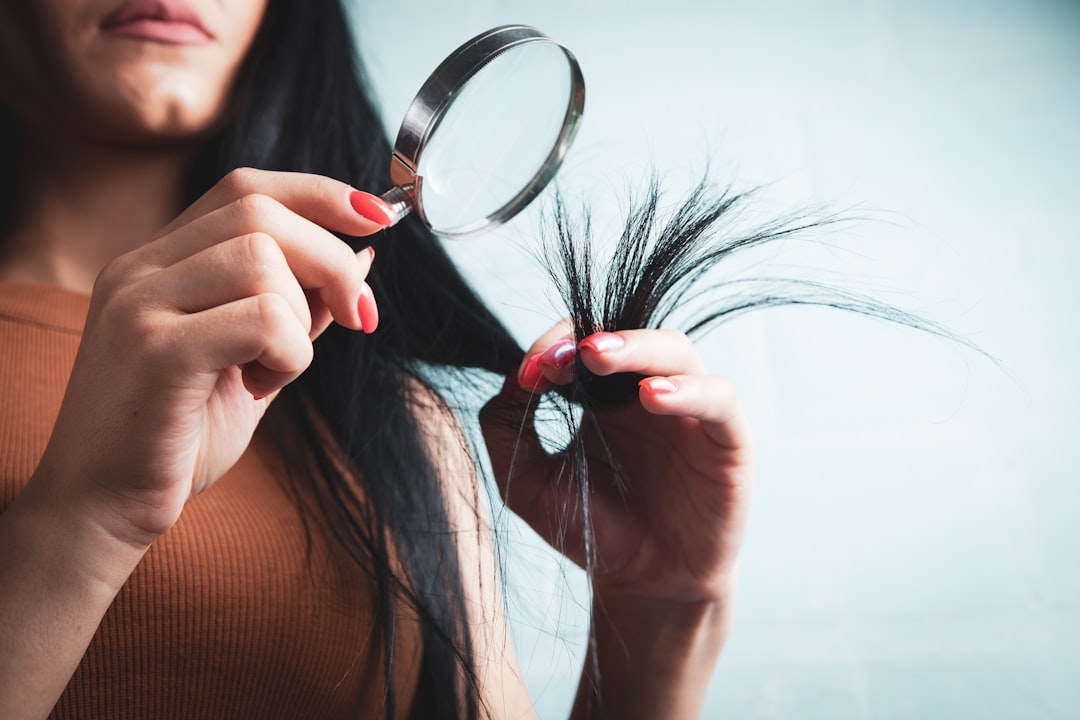
Flyaway hair isn’t just an aesthetic nuisance—it’s a sign that your hair’s cuticle layer isn’t lying flat. When the outer cuticle raises, light scatters unpredictably, creating that wispy, uncontrolled appearance. The underlying causes fall into three broad categories: moisture imbalance, friction damage, and static electricity.
Humidity, paradoxically, plays both villain and hero. High humidity causes hair to absorb moisture unevenly, particularly in damaged areas. Low humidity, conversely, creates static electricity that lifts individual strands. Temperature fluctuations—stepping between heated indoor spaces and cold air outside—compound these effects by shocking the hair cuticle.
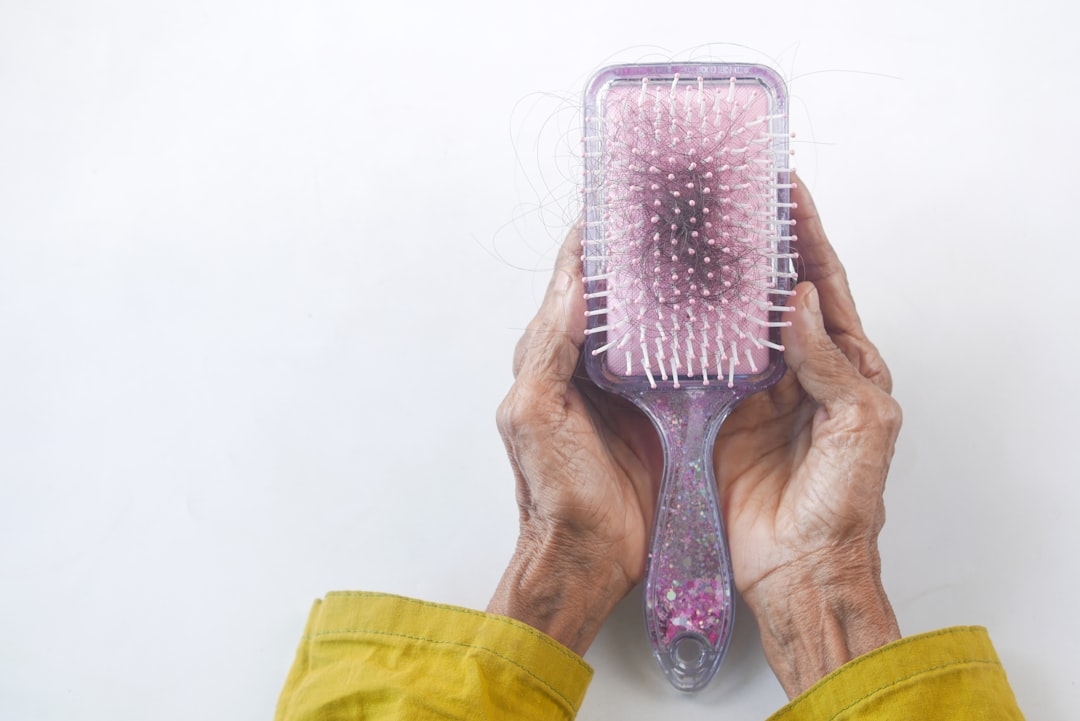
Friction represents the third major culprit. Rough towels, cotton pillowcases, and excessive brushing all create micro-damage that weakens the cuticle. This damage accumulates over months, resulting in persistent flyaways that no single product can fix overnight.
How to Stop Flyaway Hair: Seven Proven Strategies
1. Switch to a Silk or Satin Pillowcase
Your pillowcase spends roughly one-third of your day in contact with your hair. Cotton creates significant friction; silk and satin dramatically reduce it. The difference is measurable: hair sliding across silk experiences friction levels approximately 60% lower than cotton, according to textile analysis data from 2026.
Satin pillowcases typically cost £12-25 for a standard pillow-sized option, whilst silk pillowcases range from £20-50 depending on quality. Mulberry silk offers superior durability compared to standard silk. If budget is tight, satin offers nearly identical benefits at a lower price point.
Beyond pillowcases, consider satin sleep caps or bonnet wraps (£8-15) if you prefer complete coverage. These work particularly well for longer hair or textured styles that experience more movement during sleep.
2. Use a Microfibre Hair Towel or Plopping Technique
Conventional terry-cloth towels are catastrophically rough on wet hair. When hair is wet, the cuticle swells and becomes vulnerable. Aggressive rubbing causes breakage and frizz formation that persists even after your hair dries.
Microfibre towels (£6-15) absorb water rapidly with minimal friction. Alternatively, the plopping technique—wrapping wet hair loosely in a cotton t-shirt for 10-20 minutes—achieves similar results using items you already own. This method works best for waves and curls but benefits all hair types.
The key difference between these methods and traditional towel-drying: active wringing is replaced by passive water absorption. Patience during this phase prevents most flyaway formation before it begins.
3. Apply Leave-In Conditioner to Damp Hair
Leave-in conditioners remain on your hair permanently, continuously smoothing the cuticle and sealing moisture. Applied to damp (not wet) hair, they penetrate more effectively and distribute evenly.
Budget options start at £4-8 per bottle; premium brands cost £15-28. A single bottle lasts 2-3 months with regular use. Apply a small amount—roughly the size of a hazelnut—throughout your hair, focusing on the mid-lengths and ends. Comb through gently to distribute.
Silicone-based leave-in conditioners provide strong frizz control but may build up over time. Water-soluble versions (typically labelled “silicone-free”) require more frequent washing but feel lighter and work well for fine hair. Protein-enriched formulas strengthen damaged strands; moisturising formulas suit dry or textured hair.
4. Incorporate Weekly Deep Conditioning Treatments
Intensive moisture treatments address the root cause of many flyaway problems: dehydration. A single weekly treatment (20-30 minutes with heat) can shift your hair’s moisture balance significantly.
Deep conditioning masks range from £5-20 per treatment. A 200ml jar provides roughly 8-12 applications, working out to £0.40-2.50 per use. Heat amplifies penetration—apply the mask, cover with a shower cap, and sit with a warm towel wrapped around your head or use a heated heat cap (£15-30).
Results compound over time. Most people notice measurable improvement in flyaway reduction after 3-4 consecutive weekly treatments. The effect remains even after spacing treatments to fortnightly maintenance.
5. Minimise Heat Styling and Use Heat Protectant Products
Heat tools damage the cuticle layer irreversibly. Each pass of a straightener or curling iron weakens the protein structure, making flyaways more prominent and persistent.
If you use heat tools, always apply a heat protectant spray or cream first. These create a moisture barrier that reduces damage by approximately 40-50% according to product testing from 2026. Costs range from £6-18 per bottle. Allow the product to dry completely before applying heat.
Air drying produces the best results for flyaway-prone hair, but if you must use a blow dryer, keep the nozzle attachment on and use a cool shot at the end to smooth the cuticle downward.
6. Try Smoothing Serums and Anti-Frizz Oils
Lightweight serums and oils seal the cuticle and provide shine. The best options contain silicones, argan oil, coconut oil, or plant-derived alternatives that smooth without weighing hair down.
Apply sparingly to dry or damp hair—a few drops rubbed between your palms and smoothed over the surface. Overuse creates a greasy appearance. Serums cost £8-25; oils typically £10-20. A small amount goes far, making these economical in the long term.
Coconut and argan oils work well for drier, curlier hair but may feel too heavy for fine or thin hair. Silicone-based serums provide stronger frizz control with a lighter feel. Water-based serums (newer formulations from 2026) offer a compromise option that absorbs quickly.
7. Invest in a Professional Smoothing or Keratin Treatment
Professional salon treatments use high-concentration formulas that penetrate deeply and last 6-12 weeks. Brazilian blowouts, keratin treatments, and permanent smoothing systems all reduce flyaway formation significantly.
Costs range from £80-250 depending on hair length and treatment type. A mid-length Brazilian blowout averages £120-160. Results are visible immediately and improve over the first week as the formula fully sets.
These treatments require maintenance: you must avoid washing for 48-72 hours after application, use sulphate-free shampoo, and potentially reapply heat protectant more frequently. Budget an additional £15-30 monthly for specialised maintenance products.
Note: Professional treatments work best alongside daily care routines. They’re not permanent solutions but rather intensive support for committed hair management.
Regional Differences in Flyaway Management
Climate significantly influences which strategies work best. The Southeast of England—London, the Southeast coast, and surrounding regions—experiences relatively stable humidity year-round, typically 50-70%. Here, static and friction are the primary concerns; moisture-based treatments work effectively but aren’t essential year-round.
Scotland, Northern England, and coastal areas face higher humidity and wind exposure. Flyaways here often result from friction and moisture imbalance rather than pure static. Anti-frizz products and protective styling become more crucial.
Drier areas like parts of East Anglia experience low humidity and greater static problems. Humidity-boosting strategies (humidifiers, frequent moisturising sprays) provide better returns than in more humid regions. Winter heating indoors exacerbates the problem; residents benefit from running humidifiers during heating season.
Flyaway Hair vs. Frizz: What’s the Difference?
These terms are often conflated, but they address different problems. Flyaway hair consists of individual short hairs that escape a style, typically located around the hairline, crown, or along the length of longer hair. They’re often baby hairs or new growth, and they respond well to smoothing serums and styling products.
Frizz, by contrast, affects the entire hair shaft. It occurs when moisture enters the cuticle unevenly, causing individual strands to expand and lose definition. Frizz requires deep hydration and cuticle-sealing treatments to address effectively.
The key distinction matters for product selection. Flyaway hair benefits from lightweight serums and styling creams that hold individual strands in place. Frizz requires moisture-rich treatments that coat the entire hair shaft. Many people experience both problems simultaneously and benefit from a layered approach: deep conditioning for frizz, plus serums for flyaway control.
Cost Breakdown: Monthly Budget for Flyaway Hair Management
Budget-Conscious Approach (£15-25 monthly): Microfibre towel (one-time £8), basic leave-in conditioner (£5-8 monthly), fortnightly deep condition with an affordable mask (£2-3 monthly), and DIY satin pillowcase from existing materials.
Mid-Range Approach (£30-50 monthly): Satin pillowcase (one-time £25-30), quality leave-in conditioner (£8-12 monthly), weekly deep conditioning (£4-6 monthly), anti-frizz serum (£10-15 monthly), and quarterly professional treatments (£30-40 quarterly, roughly £10 monthly allocation).
Premium Approach (£60-100+ monthly): High-end leave-in products (£15-20 monthly), professional-grade treatments (£20-30 monthly), monthly keratin or smoothing treatments (£40-60 monthly), plus premium oils and serums (£10-20 monthly).
The budget-conscious approach achieves 70-80% of the results of premium options. Most improvement comes from consistent application of fundamentals (moisture, protection, reduced friction) rather than expensive products. Professional treatments provide the most dramatic results but aren’t necessary for everyone.
How to Choose the Right Strategy for Your Hair
For fine or thin hair: Focus on lightweight leave-in conditioners and silicone serums rather than heavy oils. Weekly deep conditioning may feel too heavy; try fortnightly instead. Microfibre towels and satin pillowcases make the biggest difference without adding weight.
For curly or textured hair: Invest in a deep conditioning routine and leave-in products designed for your curl pattern. Plopping and microfibre towels prevent more damage than serums. Oil-based products work better than silicone-based ones for definition.
For straight or wavy hair: Serums and smoothing treatments provide immediate visible results. Heat protectant is essential if you use styling tools. Professional keratin treatments deliver excellent results for this hair type.
For damaged hair: Prioritise reducing friction (silk pillowcase, microfibre towel) and intensive hydration (weekly deep conditioning) before adding serums or professional treatments. Damage compounds, so preventing further breakage takes precedence over treating existing flyaways.
Start with one or two interventions from the list above. Add additional strategies gradually every 2-3 weeks, allowing time to assess results. Most people achieve satisfactory outcomes with three core changes: a silk or satin pillowcase, weekly deep conditioning, and a quality leave-in conditioner.
Implementation Timeline: What to Expect
Week 1-2: Switch to a microfibre towel and satin pillowcase. Most people notice reduced flyaway formation by week two, particularly around the scalp and temples. This represents the fastest visible improvement.
Week 3-4: Begin weekly deep conditioning. Hair starts feeling softer and smoother. Flyaways remain reduced but improvement plateaus without additional interventions.
Week 5-8: Add a quality leave-in conditioner if you haven’t already. Combine with a smoothing serum applied to dry hair. At this point, most people report significant, noticeable improvement. Flyaways become less frequent and less noticeable.
Week 9-12: Consistency produces cumulative benefits. If considering professional treatments, schedule one now to see whether the combination of home care plus professional support offers additional value. Many people discover home routines are sufficient at this stage.
Results continue improving through month 6 as damaged hair gradually sheds and new, stronger growth emerges. Permanent improvement requires ongoing maintenance, but by month 3 most people feel confident in their hair’s appearance and require less frequent intervention.
Frequently Asked Questions
Can vitamins or supplements eliminate flyaway hair?
Hair health reflects overall nutrition, particularly adequate protein, iron, and B vitamins. Deficiencies in these areas manifest as weak, brittle hair more prone to breakage and flyaways. However, unless you have a documented deficiency, supplements won’t dramatically improve flyaway problems. Focus on topical treatments first; add nutritional support if dietary assessment suggests gaps. Hair growth takes 3-4 months, so results from supplements appear slowly.
Does washing hair less frequently reduce flyaways?
Frequent washing depletes natural oils that seal the cuticle, worsening flyaways. Spacing washes to every other day or every three days benefits most people. However, the method matters more than frequency—use a gentle, hydrating shampoo and always condition thoroughly. Some people find daily dry shampooing between washes maintains control whilst reducing water exposure.
Are there permanent solutions to flyaway hair?
No permanent solution exists short of significant hair alterations like perms or relaxers, which carry their own damage risks. Professional smoothing treatments last 6-12 weeks and require reapplication. Flyaway hair management is ongoing, though well-maintained hair requires less frequent intervention than neglected hair. Think of it as similar to skincare—maintenance is perpetual, but the effort decreases once good habits form.
What’s the fastest way to fix flyaways on a single day?
For immediate results: apply a light smoothing serum or anti-frizz cream to dry hair, focusing on flyaway-prone areas. Use a flat iron on low heat over the top layer if styling allows. A light hairspray or smoothing spray applied sparingly to specific areas provides instant control. These are temporary fixes; consistent daily care prevents recurring problems.
Do expensive products work better than budget options?
Not always. Budget microfibre towels (£6-8) perform identically to expensive ones. Satin pillowcases show minimal difference between £12 and £40 options. Differences emerge primarily in leave-in conditioners and serums, where higher-end formulations sometimes contain more beneficial ingredients and fewer fillers. However, consistent use of a £5 product beats sporadic use of a £25 product. Start budget-conscious and upgrade individual products only if results plateau.
Moving Forward: Sustainable Flyaway Hair Management
Flyaway hair results from cumulative damage and moisture imbalance, not a single fixable problem. The most effective approach combines multiple low-cost interventions—silk pillowcases, microfibre towels, consistent deep conditioning—alongside judicious use of styling products and professional support when budget allows.
Begin today with the simplest change: if you’re not already using a satin pillowcase or microfibre towel, order one. This single change takes zero effort and delivers measurable results within weeks. Add weekly deep conditioning within the next week. These two foundations address the core causes of most flyaway problems. Everything else—serums, professional treatments, regional adjustments—enhances but doesn’t replace these fundamentals.
Track your progress visually. Take a photo of your hair now, then again at four weeks and twelve weeks. Most people are surprised by how dramatically their hair improves with consistent, targeted care. The goal isn’t perfection; it’s noticeable, sustained improvement that makes styling easier and hair healthier overall.