Contents:
- Quick Answer Box
- Understanding Hair Straighteners
- Types of Straighteners
- Before You Straighten: Essential Preparation
- Starting With the Right Hair State
- Applying Heat Protectant
- Optional: Blow-Drying First
- Sectioning: The Foundation of Even Results
- Basic Sectioning Method
- Fine Hair Sectioning
- Thick or Curly Hair Sectioning
- Temperature Settings: The Critical Detail
- The Straightening Technique: Step by Step
- Positioning
- Movement
- Release
- Common Mistakes That Ruin Hair
- Too Many Passes
- Straightening Soaking Wet Hair
- Using Maximum Temperature for All Hair
- Skipping Heat Protectant
- Straightening to Completion Without Cooling
- What the Professionals Know
- Addressing Common Straightening Problems
- Hair Looks Crimped, Not Straight
- Hair Looks Straight for a Few Hours, Then Goes Wavy
- Frizz After Straightening
- Hair Feels Fried
- Frequency and Hair Health
- Sustainability and Heat Styling
- Choosing Your First Hair Straightener
- FAQ Section
- How hot should my hair straightener be?
- Should I straighten wet or dry hair?
- Why does my straightener leave marks or crimps?
- Can I straighten my hair daily without damage?
- What’s the best way to maintain straightened hair overnight?
You’ve bought a hair straightener, but your results look more crimped than straight, or your hair feels fried. Using a straightener properly is a skill—it’s not simply clamping down and dragging. Temperature, moisture level, technique, and sectioning all matter. Learning correct technique transforms your straightener from a hair-damaging tool into a styling asset that creates smooth, healthy-looking results.
Quick Answer Box
How do I properly use a hair straightener? Straighten damp (not soaking, not dry) hair using 350-375°F (175-190°C) heat. Apply heat protectant first. Divide hair into sections, work methodically from roots to ends, using slow, steady passes. Use 1-2 passes maximum per section—multiple passes damage hair unnecessarily.
Understanding Hair Straighteners
Types of Straighteners
Ceramic plates: Distribute heat evenly, standard option. Cost £20-100. Brands like GHD, T3, Dyson available in Boots, John Lewis, Space NK
Titanium plates: Heat faster, reach higher temperatures. Better for thick, coarse hair. Cost £50-200+. Primarily professional models
Tourmaline plates: Reduce frizz through ionic technology. Mid-range cost £40-120. Good for all hair types
For beginners, ceramic plates are ideal. They’re forgiving, durable, and available at all price points. Professional models (£80-200) differ from budget models primarily in temperature precision and durability, not straightening ability.
Before You Straighten: Essential Preparation
Starting With the Right Hair State
Hair should be damp, not soaking wet or dry. Soaking wet hair produces excess steam that damages your hair when heat is applied (steam = internal pressure on the hair shaft). Completely dry hair requires more heat for straightening, increasing damage risk.
Ideal state: Towel-dried hair with roughly 60% of water removed. Your hair should feel damp to touch but not drip water.
Applying Heat Protectant
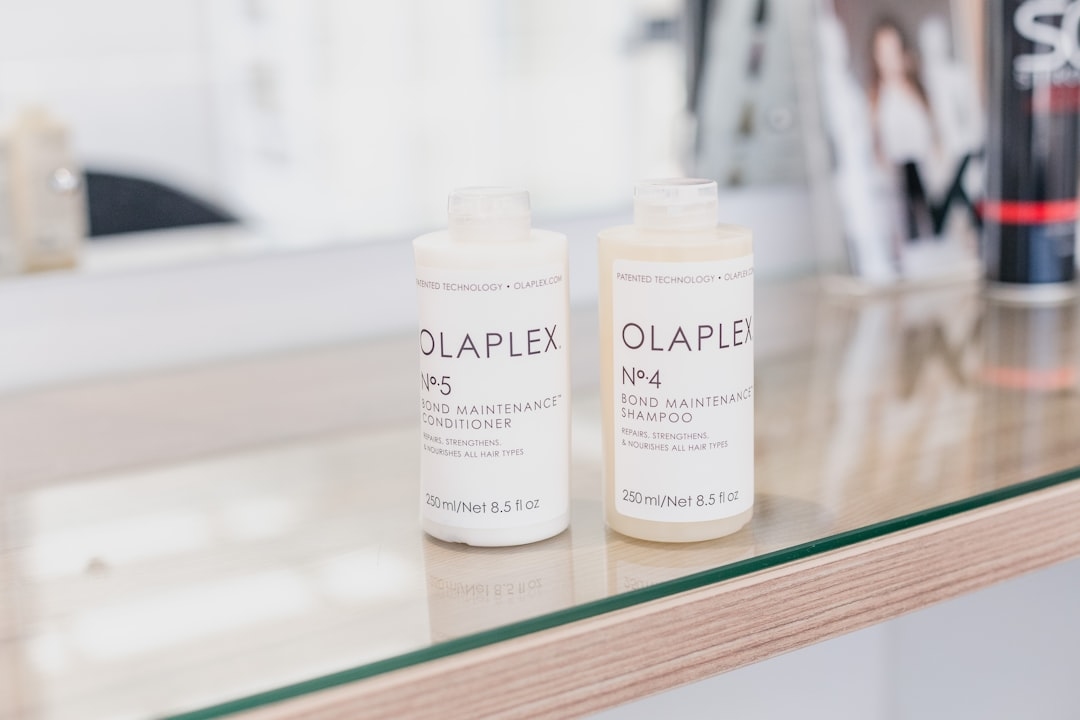
This is non-negotiable. Heat protectants contain polymers that create a temporary barrier between heat and hair. They reduce heat damage by 30-50% according to professional testing.
- Spray protectants: £5-12, quickest to apply, work well for most hair
- Cream protectants: £8-15, better for curly or textured hair
- Serum protectants: £6-14, lightweight, good for fine hair
Apply to damp hair before blow-drying or before straightening. Work through your hair so every section is coated. Don’t skip this step thinking it’s optional—it’s the most important damage-prevention tool available.
Optional: Blow-Drying First
Many beginners struggle with straightening damp hair. If this describes you, blow-dry your hair first (using medium heat), then straighten. This eliminates steam and makes straightening easier. Dry hair straightens faster, reducing total heat exposure.
However, blow-drying adds time (15-20 minutes) and uses additional heat. If you can straighten damp hair with proper technique, skip blow-drying and go straight to straightening.
Sectioning: The Foundation of Even Results
Proper sectioning is why salon straightening looks professional whilst DIY straightening often looks patchy. You cannot straighten your entire head at once and get even results.
Basic Sectioning Method
- Divide hair horizontally into 3-4 layers (bottom, middle, top, crown)
- Clip upper sections out of the way
- Within each layer, divide vertically into smaller sections (roughly 1-2 inches wide)
- Work section by section, clipping away unstretched hair
Fine Hair Sectioning
Fine hair requires smaller sections (roughly 0.5-1 inch) because thin sections straighten more evenly. Larger sections risk missing inner hair.
Thick or Curly Hair Sectioning
Divide into larger sections (2-3 inches) because this hair type requires more heat and pressure. Thick curls need complete surface contact with straightener plates, which is easier with thicker sections.
Temperature Settings: The Critical Detail
Temperature determines results and damage level.
- 300-325°F (150-163°C): Fine, thin, or delicate hair. Safe for regular use
- 325-350°F (163-175°C): Normal to thick hair. Standard setting for most people
- 350-375°F (175-190°C): Thick, coarse, or curly hair. Maximum for regular use
- Above 400°F (200°C): Only for rare challenging hair types. Risk of permanent damage
Never assume “hotter is faster.” Once you exceed 375°F, you’re not straightening faster—you’re just damaging hair more severely. The straightening process is the same at 350°F and 400°F; the damage risk increases dramatically at the higher temperature.
If your straightener has a temperature display, start at 325°F and increase only if needed. Most people achieve desired results at 325-350°F. Going higher is almost never necessary.
The Straightening Technique: Step by Step
Positioning
- Hold the straightener perpendicular to the hair section (straightener plates should be parallel to your hair strands)
- Position at the root of the section
- Close the plates gently but firmly—you should feel resistance but not extreme pressure
Movement
- Glide the straightener slowly down the hair section from root to tip
- Speed: roughly 3-5 seconds per section. Too fast misses straightening; too slow damages hair
- Keep tension on the hair—gently pull the section taut with your other hand as you straighten
- One smooth pass is ideal. Two passes maximum if the first didn’t achieve straightness
- Never go over the same section more than twice
Release
- As you reach the ends, release the plates gradually—don’t jerk the straightener away
- Run your fingers through the straightened section to cool it slightly and set the straightness
Common Mistakes That Ruin Hair
Too Many Passes
Straightening the same section 3+ times doesn’t improve results—it just damages hair. One or two passes per section is maximum. If you’re not getting straightness in one pass, your temperature might be too low or your technique needs adjustment, not more heat exposure.
Straightening Soaking Wet Hair
This creates steam inside the hair, causing swelling and permanent damage. The hair looks straighter temporarily but is structurally damaged. Use damp, not soaking wet hair.
Using Maximum Temperature for All Hair
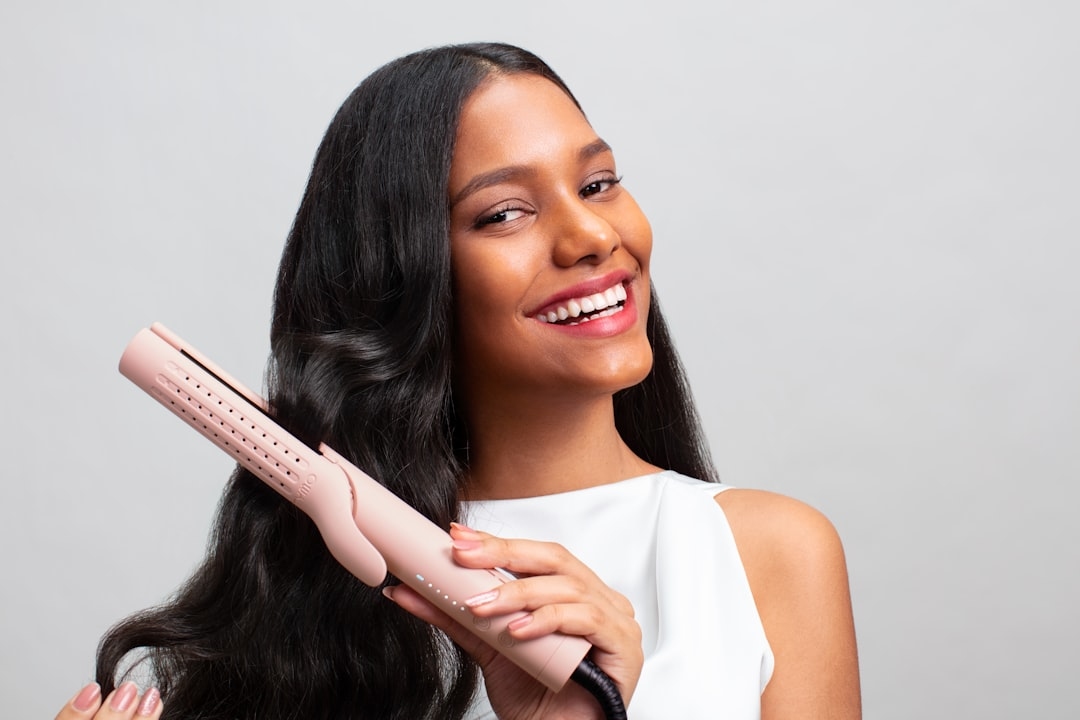
Even thick hair doesn’t need 400°F+. You’ll damage it unnecessarily. Find the minimum temperature that straightens your hair—for most people, that’s 325-350°F.
Skipping Heat Protectant
This is the #1 damage cause. Heat protectant isn’t optional or nice-to-have. It’s essential. Using a straightener without heat protectant is like using a tanning bed without sunscreen—you’re deliberately causing damage.
Straightening to Completion Without Cooling
Hot hair is still malleable. As it cools, the straightness sets. Don’t style or touch straightened hair immediately. Let it cool for 30 seconds before brushing or arranging. This allows the straightness to “lock in.”
What the Professionals Know
Pro Tip: Salon professionals straighten hair and then immediately apply a cool shot from a blow-dryer set to cool (not heat). This rapidly cools the hair, setting the straightness. You can do the same—once you’ve straightened a section, hold it taut and use the cool shot setting on your blow-dryer for 2-3 seconds. This significantly improves hold and reduces hair damage by preventing the hair from reabsorbing moisture before straightness sets.
Addressing Common Straightening Problems
Hair Looks Crimped, Not Straight
This usually means your plates aren’t aligned properly. Check that the top and bottom plates meet evenly—if they’re misaligned, hair passes between them unevenly, creating crimps. Most professional straighteners have adjustable plate tension. Adjust to ensure even contact.
Alternatively, you might be moving too quickly. Slow down your movement from root to tip to 4-5 seconds per section.
Hair Looks Straight for a Few Hours, Then Goes Wavy
This indicates insufficient straightening—either temperature is too low or hair is too damp. Increase temperature by 25°F or start with drier hair (blow-dry first if needed).
Frizz After Straightening
Frizz after straightening suggests moisture reabsorption. Once you’ve straightened, keep hair as dry as possible. Don’t go outside in humid conditions immediately after straightening. Use an anti-frizz serum once hair has cooled.
Hair Feels Fried
This is heat damage from excessive temperature or too many passes. Reduce temperature by 25-50°F. Use heat protectant more generously. Limit straightening to 1-2 times weekly instead of daily. Deep condition weekly.
Frequency and Hair Health
- Daily straightening: Only if using lowest effective temperature (300-325°F), heat protectant every time, and intensive weekly conditioning
- 3-4 times weekly: Fine or thin hair should not exceed this without damage
- 2-3 times weekly: Normal to thick hair can tolerate this with proper care
- Weekly or less: Ideal for maintaining long-term hair health
Sustainability and Heat Styling
Frequent heat styling creates cumulative damage and environmental impact (electricity consumption, appliance waste). Embrace your natural texture when possible. Air-dry or let your hair dry naturally on off-days. Straighten when needed for special occasions rather than daily. This approach is sustainable for your hair and the environment.
Choosing Your First Hair Straightener
You don’t need professional models costing £150+ to get good results. Key features:
- Temperature control: Should have adjustable settings (not just on/off)
- Ceramic or titanium plates: Avoid cheap models with bare metal plates
- Ionic technology (bonus): Reduces frizz, but not essential
- Plate width: 1-1.5 inches standard. Wider plates straighten faster but are harder to control for beginners
Good budget options (£25-50): Cloud Nine, TONI&GUY, BaByliss PRO, available from Boots and Superdrug
Mid-range professional (£80-120): GHD Gold, T3 Cura, available from John Lewis, Space NK
Premium professional (£150+): Dyson Corrale, offers superior plate quality and ionic technology
FAQ Section
How hot should my hair straightener be?
Most people use 325-350°F (163-175°C). Fine hair: 300-325°F. Thick/curly hair: 350-375°F. Start low, increase only if needed.
Should I straighten wet or dry hair?
Damp hair (towel-dried, 60% dry) is ideal. Soaking wet creates steam and damage. Completely dry requires more heat and passes. Damp is the sweet spot.
Why does my straightener leave marks or crimps?
Misaligned plates or moving too quickly. Check that top and bottom plates meet evenly. Slow your movement to 4-5 seconds per section.
Can I straighten my hair daily without damage?
Only with the lowest effective temperature (300-325°F), heat protectant every single time, and weekly deep conditioning. Most people’s hair can’t tolerate daily straightening long-term. 2-3 times weekly is safer.
What’s the best way to maintain straightened hair overnight?
Sleep on a silk pillowcase (prevents friction-induced waves). Or use a silk-lined sleep bonnet. These prevent your hair from absorbing moisture from the cotton pillowcase, which would reactivate your natural wave pattern.
Using a hair straightener properly is learnable. Start with damp hair, apply heat protectant without fail, section methodically, use moderate heat (325-350°F), make slow single passes per section, and let hair cool before touching. Within 5-10 uses, you’ll develop muscle memory and your results will rival salon straightening. The key is respecting your hair’s heat tolerance and not assuming that higher heat creates better results—it just creates damage.