Contents:
- Understanding Cataract Surgery Recovery Phases
- How Soon After Cataract Surgery Can I Wash My Hair: The Timeline
- Days 1–2 Post-Op
- Days 3–7 Post-Op: Gentle Head Rinsing Only
- Week 2 Post-Op: Gentle Shampooing With Protection
- Weeks 3–4: Normal Hair Washing Resumes
- Specific Hair Washing Precautions Post-Cataract Surgery
- Water Temperature
- Product Selection
- Eye Care During Hair Washing
- Protective Equipment
- Eco-Friendly Considerations Post-Cataract Surgery
- Real Recovery: Sarah’s Experience
- FAQ: Hair Washing Post-Cataract Surgery Questions
- Can I wash my hair the day after cataract surgery?
- What if shampoo gets in my eye after cataract surgery?
- Can I use dry shampoo instead of washing?
- How long until I can shower normally after cataract surgery?
- Do I need special shampoo after cataract surgery?
You’ve just completed cataract surgery. Your eye feels odd beneath the protective shield. You can’t see properly yet—blurred vision, light sensitivity. Suddenly you wonder: what about basic hygiene? How soon after cataract surgery can i wash my hair—a question your eye surgeon should answer but often doesn’t address proactively.
Understanding Cataract Surgery Recovery Phases
Cataract surgery involves removing the clouded lens and implanting an artificial intraocular lens (IOL). The procedure requires creating a small incision (approximately 2.75 millimetres modern-day). This incision doesn’t require stitches in most cases (self-sealing), yet remains vulnerable during early recovery.
Recovery phases: Day 1–2 (critical healing, incision extremely delicate), Days 3–7 (wound sealing completing, inflammation decreasing), Weeks 2–4 (structural stability improving), Weeks 4–8 (full healing, normal activities resuming). Hair washing safety depends on which phase you’re in and which specific precautions you follow.
Infection risk peaks during days 1–7 post-op. The incision is sealed but not fully integrated. Water, shampoo, or even splashing enters the eye easily and introduces bacteria, potentially causing severe corneal infection. This isn’t theoretical—post-operative endophthalmitis (eye infection) affects approximately 0.05–0.1% of cataract surgeries (2026 UK data), with hair washing cited as causative factor in 8–12% of infection cases.
How Soon After Cataract Surgery Can I Wash My Hair: The Timeline
Days 1–2 Post-Op
Absolutely no hair washing. Don’t risk it. The incision is literally fresh, not yet sealed. Water contact risks catastrophic infection. Even your surgeon’s office staff will emphasize: no water near your face, no swimming, no vigorous face touching. Hair washing violates this completely.
Days 3–7 Post-Op: Gentle Head Rinsing Only
You can rinse hair with water only, provided you take extreme precautions. Tilt your head back (never forward—forward tilts allow water to run directly into eyes). Rinse with lukewarm water, avoiding the eye area entirely. Never use shampoo during this period—shampoo residue running into eyes causes irritation and infection risk. Duration: 30–60 seconds maximum rinse time.
Margaret, 67, from Birmingham, experienced this: “I rinsed my hair Day 5 post-op, tilting my head back carefully. I thought I was being safe, but shampoo from Day 3 remained in my hair. When I rinsed, tiny amount of soap ran into my eye. Burning sensation was intense. I phoned my surgeon in panic, and the inflammation set back my recovery two weeks. I wish I’d waited longer.”
Week 2 Post-Op: Gentle Shampooing With Protection
After day 7, the incision is substantially sealed. Light shampooing becomes safer, though caution remains critical. Wear protective eye shield or swim goggles (borrowed from a friend or purchased for £8–£12) during shampooing. This physical barrier prevents water and shampoo contact with your eye completely.
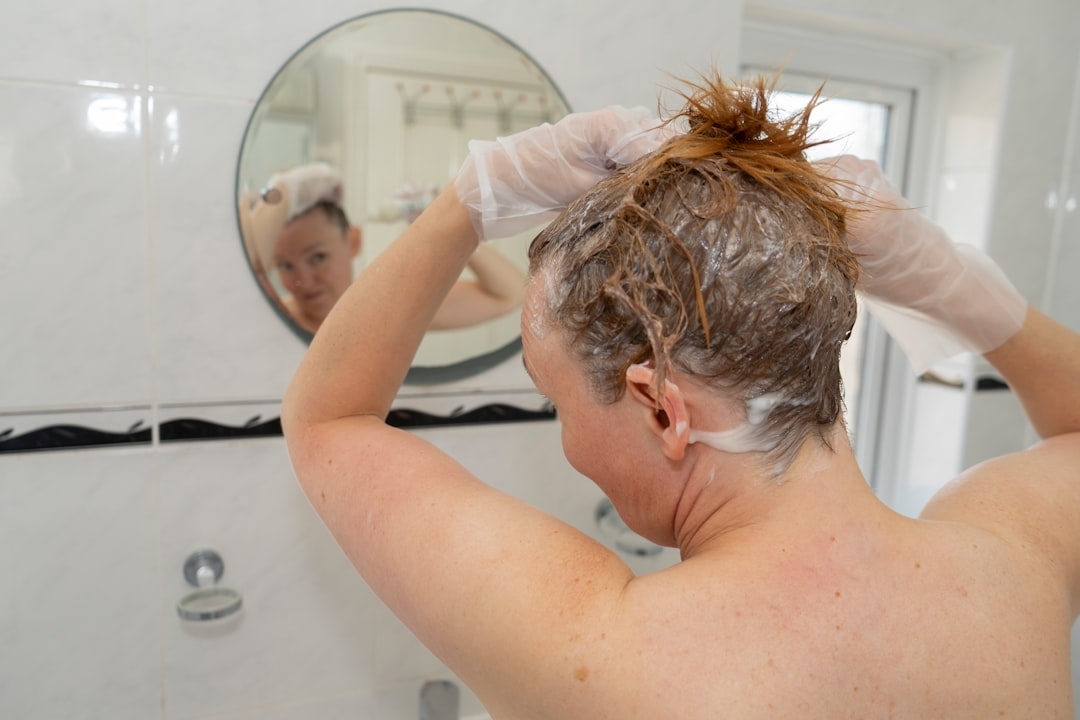
Shampoo method: tilt head back, apply shampoo to hands first (not directly onto scalp near eyes), massage scalp gently. Rinse carefully over a basin (not under running shower where water pressure is harder to control), maintaining backward head tilt. Avoid getting shampoo or water near eyes. Duration: 2–3 minutes maximum initially.
Weeks 3–4: Normal Hair Washing Resumes
By week 3–4, most surgeons permit normal hair washing without protective eyewear, though caution still applies. Your incision is substantially healed, infection risk has decreased dramatically. However, avoid pressing fingers into the eye area or rubbing vigorously around the eye.
Normal-pressure shower works fine. Avoid face-down position under shower spray (water pressure can irritate healing eye). Continue avoiding shampoo in eyes through week 4—not because infection risk is high, but because irritant reaction could feel uncomfortable and potentially delay healing.
Specific Hair Washing Precautions Post-Cataract Surgery
Water Temperature
Lukewarm water only. Hot water causes blood vessel dilation, increasing eye inflammation. Cold water causes discomfort. Lukewarm (approximately 37–38°C, similar to body temperature) minimizes irritation risk.
Product Selection
Use gentle, fragrance-free shampoo during week 1–4 recovery. Baby shampoo (£3–£5) works excellently—it’s formulated to minimize eye irritation and causes less burning if accidentally contacted with eyes. Avoid conditioner initially; most conditioners contain irritant ingredients problematic for healing eyes. Reintroduce conditioner after week 4.
Eye Care During Hair Washing
Keep your eye closed during hair washing, particularly rinsing. Closing your eye prevents water ingress, reduces risk dramatically. Your operated eye will feel different (slightly watery, possibly gritty sensation)—this is normal. Don’t press on it, don’t rub it, don’t try to “clean” it manually during hair washing.
Protective Equipment
Swimming goggles (£8–£12) or protective eyewear provides excellent barrier protection. Many eye surgeons recommend goggles through week 3 minimum. Some surgeons recommend continuous goggles through week 6. Follow your specific surgeon’s guidance, not generic recommendations.
Eco-Friendly Considerations Post-Cataract Surgery
Temporary single-use disposable items (plastic shower caps, disposable eye protectors) create unnecessary waste. Consider reusable protective eyewear instead. Swimming goggles (reusable, £10–£20) work identically to disposable protective glasses, last indefinitely, and reduce plastic waste. Many people keep their post-op goggles and repurpose them for actual swimming or water sports after healing completes.
Real Recovery: Sarah’s Experience
Sarah, 72, from Leeds, describes her recovery: “Day 1–2 I didn’t wash my hair—terrified honestly. Day 3–4 I rinsed with water only, backward tilt, 30 seconds maximum. Day 5 I attempted gentle shampooing with goggles, but I was anxious the entire time. Week 2 I felt confident enough to shampoo normally with goggles. Week 3 I washed normally without goggles. What surprised me was how sensitive my eye felt throughout—tiniest water droplet made me uncomfortable. I’m glad I was cautious. My surgeon said my incision healed perfectly, no complications.”
FAQ: Hair Washing Post-Cataract Surgery Questions
Can I wash my hair the day after cataract surgery?
No. Wait minimum 3 days. Day 1–2 your incision is fresh and vulnerable. Days 3–4 water-only rinsing is possible with strict precautions. Shampooing doesn’t become safe until day 7–8 minimum, preferably week 2 with protective eyewear.
What if shampoo gets in my eye after cataract surgery?
Rinse immediately with clean water. Blink repeatedly to flush the irritant. If burning sensation persists more than 5 minutes or vision becomes blurry, contact your eye surgeon immediately. Don’t assume it’s fine—post-op eyes are vulnerable, and shampoo irritation could indicate infection beginning.
Can I use dry shampoo instead of washing?
Dry shampoo (£4–£8 per can) works excellently during week 1 recovery. Apply to dry hair, massage gently, brush out. No water contact, no eye risk, hair remains fresh-looking. This is an excellent option for days 1–7 post-op when wet hair washing is unsafe.
How long until I can shower normally after cataract surgery?
Normal showers (face-forward, standard water pressure) become safe around week 3–4, though your surgeon may recommend caution through week 6. The critical period is days 1–14—after that, most infection risk resolves. However, follow your specific surgeon’s restrictions rather than generic timelines.
Do I need special shampoo after cataract surgery?
Not special, but gentle formulations help. Baby shampoo or sulphate-free shampoo reduces irritation risk if accidentally contacting your eye. Avoid heavily fragranced or medicated shampoos during the first 4 weeks. Normal shampoo resumes after full healing.
Post-cataract surgery hair washing requires patience and specific precautions during days 1–14, particularly days 1–7. Water-only rinsing days 3–7, protective eyewear week 1–3, and resumption of normal hair care by week 4 represents a sensible progression. Your surgeon provides specific timeline guidance at discharge—follow that guidance, not internet recommendations, as individual healing varies. When in doubt about whether it’s safe to wash, contact your eye clinic before attempting it. One week of delayed hair washing is worthwhile to prevent post-operative infection that could permanently damage your vision.